


Description
Introduction
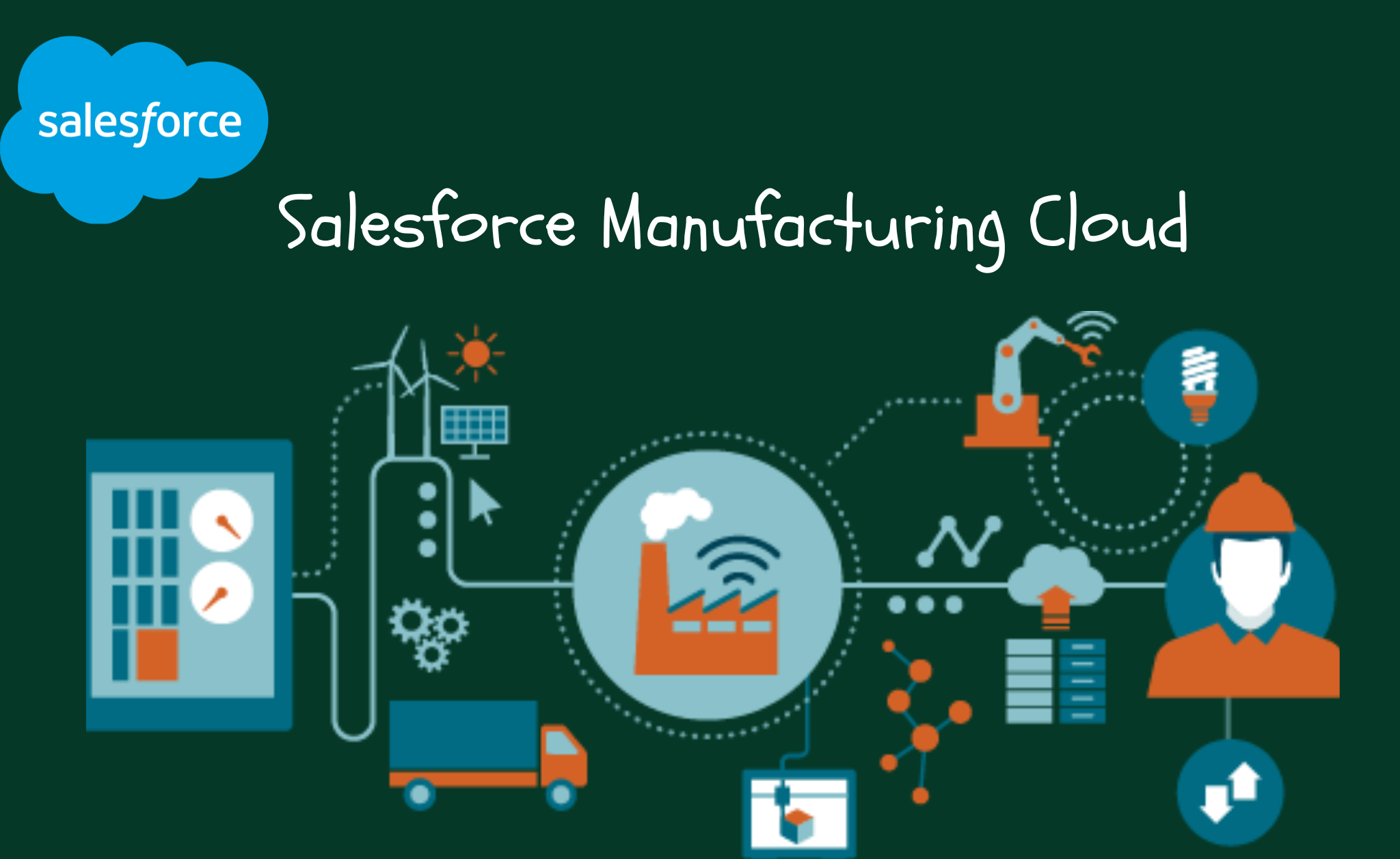
Salesforce Manufacturing Cloud empowers manufacturers to manage sales agreements, forecast demand, optimize revenue, and enhance account-based planning. It integrates sales, operations, and service teams, providing real-time visibility into customer activity, product performance, and market trends. Learners will explore both standard and advanced functionalities for manufacturing-specific business processes.
Learner Prerequisites
- Basic knowledge of Salesforce CRM and its navigation.
- Understanding of manufacturing processes, sales cycles, supply chain operations, and revenue management.
- Familiarity with reporting, dashboards, and analytics.
- Basic understanding of collaboration tools like Chatter and Slack.
Table of Contents
1. Introduction to Manufacturing Cloud
1.1 Overview of Salesforce Manufacturing Cloud
1.2 Key Benefits for Manufacturers
1.3 Manufacturing Cloud vs Standard Salesforce CRM
1.4 Key Terminologies in Manufacturing Cloud
1.5 User Interface Overview and Navigation
2. Account-Based Forecasting
2.1 Understanding Account-Based Forecasting
2.2 Setting Up Forecast Categories
2.3 Managing Forecast Adjustments
2.4 Tracking Forecast Accuracy
2.5 Using Historical Data for Forecasting
2.6 Forecast Collaboration Across Teams
3. Sales Agreements Management
3.1 Creating and Managing Sales Agreements
3.2 Contracted vs Committed Revenue
3.3 Renewals and Amendments
3.4 Collaboration Across Teams
3.5 Tracking Agreement Performance Metrics
3.6 Managing Volume Commitments and Discounts
4. Product and Inventory Management
4.1 Product Catalog Setup
4.2 Inventory Visibility and Updates
4.3 Integration with ERP Systems
4.4 Managing Product Families and Hierarchies
4.5 Tracking Product Demand and Supply Trends
4.6 Managing Product Lifecycle and Availability
5. Demand Planning and Forecasting
5.1 Demand Forecast Models
5.2 Consumption and Historical Data Analysis
5.3 Planning Adjustments and Approvals
5.4 Using AI Insights for Accurate Forecasts
5.5 Scenario Planning for Market Fluctuations
5.6 Monitoring Forecast vs Actual Performance
6. Opportunity and Pipeline Management
6.1 Opportunity Stages and Lifecycle
6.2 Pipeline Tracking and Reports
6.3 Forecasting Opportunities by Account
6.4 Integrating with Sales Cloud Processes
6.5 Opportunity Splits and Revenue Attribution
6.6 Managing Large Account Deals and Complex Sales Cycles
7. Analytics and Reporting
7.1 Standard Reports and Dashboards
7.2 Custom Analytics for Manufacturing
7.3 Tracking KPIs and Revenue Metrics
7.4 Using Einstein Analytics for Forecasting
7.5 Predictive Analytics for Demand and Revenue
7.6 Dashboards for Executives and Managers
8. Collaboration and Communication
8.1 Chatter for Team Collaboration
8.2 Notifications and Alerts for Agreements
8.3 Sharing Forecasts Across Departments
8.4 Integration with Slack and Collaboration Tools
8.5 Setting Up Approval Processes
8.6 Communicating Updates to Field and Sales Teams
9. Automation and AI Features
9.1 Automating Sales Agreement Approvals
9.2 Workflow Rules for Forecast Updates
9.3 Einstein AI for Demand Prediction
9.4 AI-Powered Recommendations for Sales Teams
9.5 Predictive Maintenance Alerts (Optional Integration)
9.6 Automated Notifications for Stock and Product Changes
10. Integration and Advanced Features
10.1 Integrating with ERP and SCM Systems
10.2 Mobile Access for Field Teams
10.3 Third-Party App Integration
10.4 Advanced Configuration Options
10.5 API Management for External Systems
10.6 Data Import/Export and Sync Strategies
11. Best Practices and Governance
11.1 Data Management and Security
11.2 Maintaining Accurate Forecasts
11.3 Continuous Process Optimization
11.4 Compliance and Audit Readiness
11.5 Governance for Sales Agreement Management
11.6 Best Practices for Multi-Team Collaboration
Conclusion
Mastering Salesforce Manufacturing Cloud enables manufacturers to streamline sales agreements, optimize demand planning, and improve collaboration across teams. With automation, analytics, and AI-driven insights, organizations can achieve more accurate forecasts, better revenue management, and enhanced customer satisfaction. Learners will be equipped to apply these skills in real-world manufacturing scenarios for maximum business impact.

Reviews
There are no reviews yet.