


Description
Introduction
Salesforce Architecture Fundamentals focuses on understanding the core architectural principles of the Salesforce Platform, including multi-tenant cloud infrastructure, metadata-driven development, scalability, security models, and integration frameworks. This course provides a strong foundation for designing robust, high-performing, and secure Salesforce solutions aligned with enterprise best practices.
Learner Prerequisites
- Basic understanding of Salesforce platform and CRM concepts
- Familiarity with objects, fields, and relationships
- Knowledge of basic security and sharing concepts
- Understanding of business process automation (Workflow/Flow)
- Basic awareness of integrations and APIs (recommended)
Table of Contents
1. Introduction to Salesforce Architecture
1.1 Overview of Salesforce Platform Architecture
1.2 Multi-Tenant Architecture and Metadata-Driven Model
1.3 Salesforce Editions and Licensing Overview
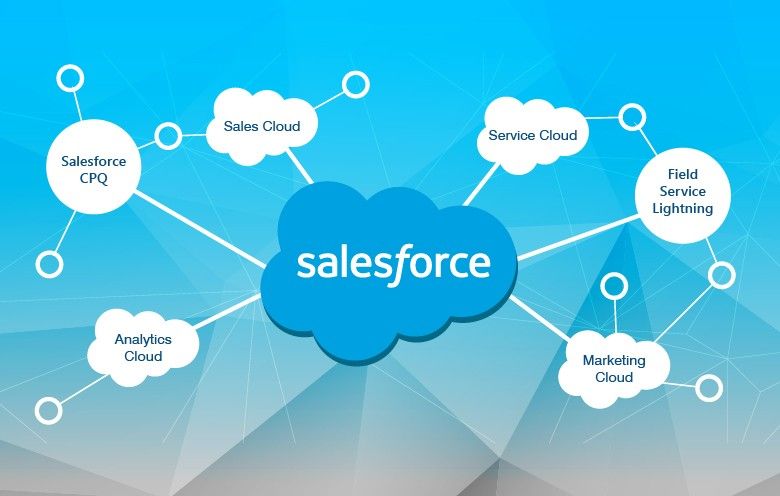
1.4 Core Clouds Overview (Sales, Service, Experience, Marketing)
2. Data Architecture & Modeling
2.1 Standard vs Custom Objects
2.2 Relationships (Lookup, Master-Detail, Junction Objects)
2.3 Schema Design Best Practices
2.4 Data Governance and Data Quality
2.5 Large Data Volume (LDV) Strategies
3. Security Architecture
3.1 Org-Level Security (Profiles, Permission Sets)
3.2 Record-Level Security (OWD, Roles, Sharing Rules)
3.3 Field-Level Security
3.4 Data Encryption & Shield Overview
3.5 Compliance and Audit Mechanisms
4. Automation & Logic Architecture
4.1 Declarative vs Programmatic Development
4.2 Flow Architecture and Best Practices
4.3 Apex Triggers & Order of Execution
4.4 Asynchronous Processing (Batch, Queueable, Future)
5. Integration Architecture
5.1 API Types (REST, SOAP, Bulk, Streaming)
5.2 Integration Patterns (Request-Reply, Fire-and-Forget)
5.3 Middleware & External Systems Integration
5.4 Platform Events and Event-Driven Architecture
6. Application & UI Architecture
6.1 Lightning Experience Architecture
6.2 Lightning Web Components (LWC) Overview
6.3 App Builder and Custom Apps
6.4 Performance Optimization Strategies
7. DevOps & Deployment Architecture
7.1 Sandboxes and Environment Strategy
7.2 Change Sets vs Salesforce DX
7.3 Version Control and CI/CD Basics
7.4 Release Management Best Practices
8. Scalability & Performance Design
8.1 Governor Limits and Optimization
8.2 Indexing and Query Performance
8.3 Data Archiving and Storage Management
8.4 Monitoring and Health Check
9. Enterprise Architecture & Governance
9.1 Well-Architected Framework
9.2 Center of Excellence (CoE) Model
9.3 Documentation and Design Standards
9.4 Risk Assessment and Technical Debt Management
Conclusion
By completing Salesforce Architecture Fundamentals, learners will gain a strong understanding of platform architecture, enabling them to design scalable, secure, and high-performance Salesforce solutions aligned with enterprise standards and best practices.

Reviews
There are no reviews yet.