


Description
Introduction
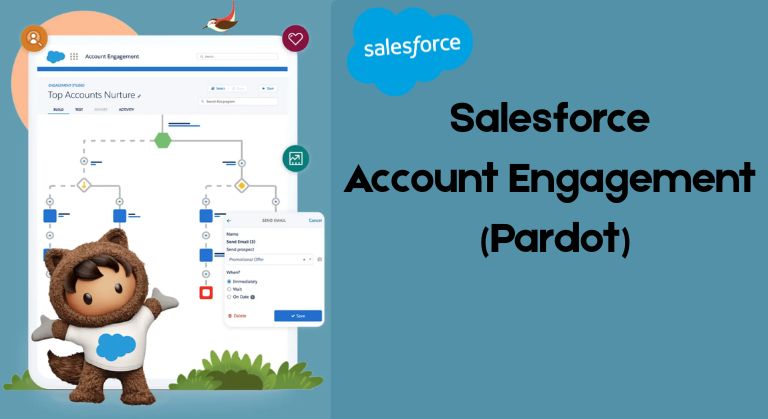
Salesforce Account Engagement, formerly known as Pardot, is a marketing automation platform designed to help businesses engage prospects, nurture leads, and align marketing with sales. It enables users to create automated campaigns, track interactions, manage leads, and measure ROI for marketing efforts.
Learner Prerequisites:
- Basic understanding of Salesforce CRM.
- Familiarity with marketing concepts and lead management.
- Knowledge of email marketing and digital campaigns is helpful but not mandatory.
Table of Contents
1. Introduction to Salesforce Account Engagement
1.1 Overview of Pardot and its capabilities
1.2 Differences between Pardot and Marketing Cloud
1.3 Understanding the Pardot interface and navigation
1.4 Key terminologies: Prospects, Campaigns, Engagement Programs
1.5 Pardot’s role in marketing and sales alignment
2. Setting Up Pardot
2.1 Account setup and user management
2.2 Integration with Salesforce CRM
2.3 Configuring business units and connectors
2.4 Setting up tracking and website analytics
2.5 Managing user permissions and roles
3. Prospect and Lead Management
3.1 Creating and importing prospects
3.2 Managing prospect lists and segmentation
3.3 Lead scoring and grading
3.4 Automating lead assignment rules
3.5 Managing prospect activity history and tracking
4. Email Marketing in Pardot
4.1 Creating and sending email campaigns
4.2 Using templates and dynamic content
4.3 Personalization and merge fields
4.4 A/B testing and email optimization
4.5 Tracking email performance and metrics
5. Engagement Programs and Automation
5.1 Introduction to Engagement Studio
5.2 Building nurture campaigns and automated journeys
5.3 Conditional logic and branching rules
5.4 Triggered actions and alerts
5.5 Best practices for engagement programs
6. Forms, Landing Pages, and Campaign Tracking
6.1 Creating and customizing forms
6.2 Building landing pages
6.3 Form handlers and data capture
6.4 Campaign tracking and UTM parameters
6.5 Integrating forms and landing pages with Salesforce
7. Social Media and Advertising Integration
7.1 Connecting social accounts to Pardot
7.2 Running social campaigns
7.3 Tracking engagement and conversions
7.4 Paid advertising campaigns (LinkedIn, Google Ads)
8. Reporting and Analytics
8.1 Overview of Pardot reports and dashboards
8.2 Campaign performance reports
8.3 Prospect activity and engagement reports
8.4 ROI reporting and attribution
8.5 Exporting data for further analysis
9. Best Practices and Advanced Tips
9.1 Maintaining clean data and avoiding duplicates
9.2 Nurturing leads effectively
9.3 Optimizing campaigns based on analytics
9.4 Advanced segmentation and automation strategies
9.5 Compliance with marketing regulations (GDPR, CAN-SPAM)
Conclusion
Salesforce Account Engagement (Pardot) enables marketers to automate processes, improve lead management, and drive revenue growth. Mastery of this platform ensures effective engagement with prospects and seamless alignment between marketing and sales teams.


Reviews
There are no reviews yet.