


Description
Introduction
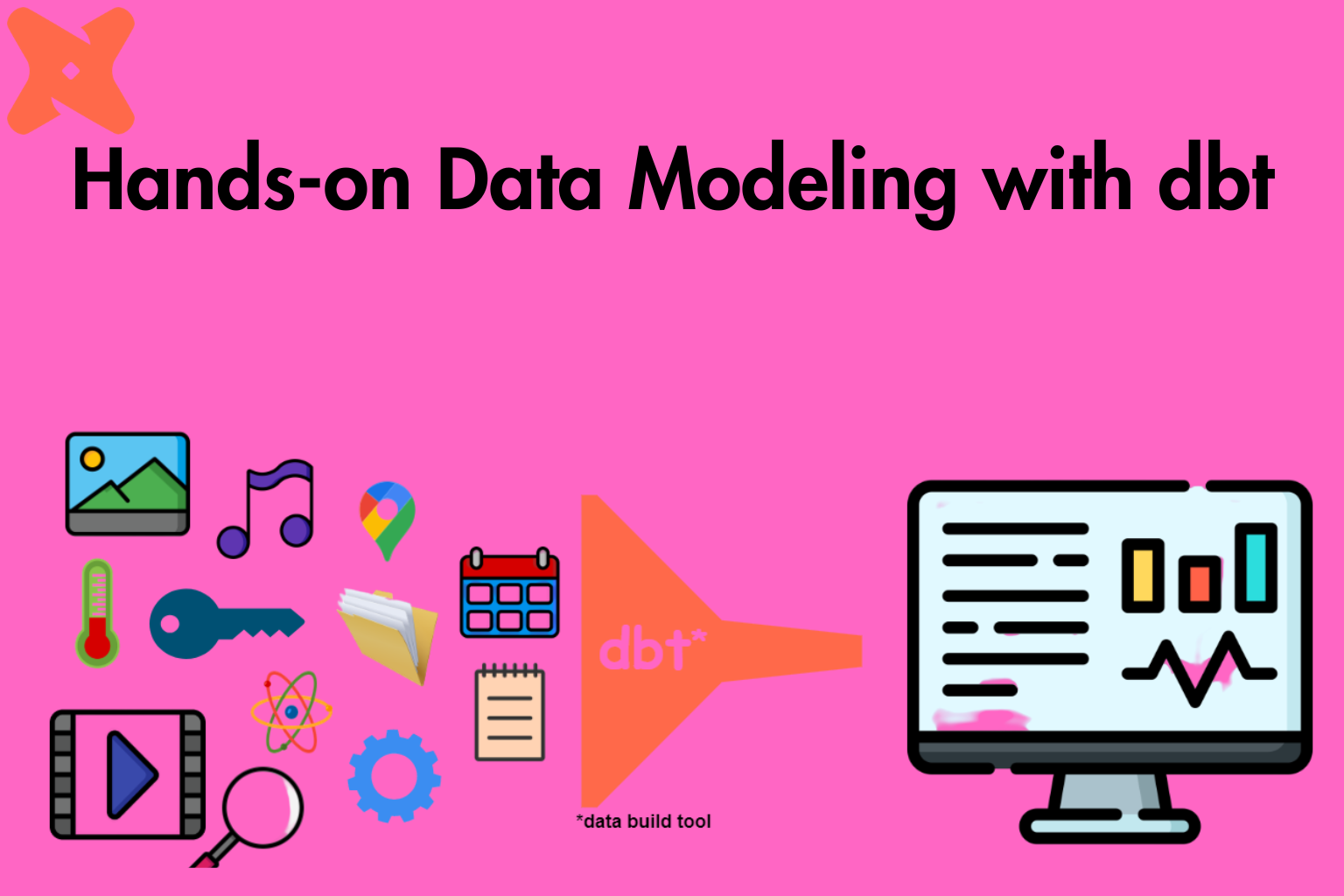
dbt (data build tool) is a modern analytics engineering tool used to transform and organize data inside a warehouse using SQL. It enables teams to create modular and version-controlled data models. In addition, dbt supports automated testing and documentation. As a result, data pipelines become more reliable and easier to maintain.
Moreover, it fits into the modern data stack by simplifying transformation workflows. Therefore, collaboration between data engineers and analysts becomes more efficient and structured.
Learner Prerequisites
- Basic understanding of SQL (SELECT, JOINs, GROUP BY)
- Familiarity with relational databases and tables
- Awareness of data warehouse concepts (e.g., Snowflake, BigQuery, Redshift)
- Basic understanding of ETL/ELT workflows
- Knowledge of simple data modeling concepts (fact and dimension tables)
- Familiarity with command line or basic development tools (helpful)
- Exposure to version control systems like Git (optional)
- Basic understanding of analytics or reporting concepts
Table of Contents
1. Introduction to dbt and Modern Data Stack
1.1 Overview of Analytics Engineering
1.2 Evolution of the Modern Data Stack
1.3 Introduction to dbt Architecture and Workflow
1.4 ELT vs ETL in Modern Data Stack
1.5 dbt Project Structure and Key Components
1.6 Setting Up dbt Environment
1.7 Connecting dbt with Data Warehouse
2. dbt Project Setup and Configuration
2.1 Installing and Initializing dbt
2.2 Understanding profiles.yml and project.yml
2.3 Configuring Database Connections
2.4 Managing Environments (Dev, Test, Prod)
2.5 Running First dbt Commands
2.6 Understanding dbt Logs and Outputs
3. Building Data Models with dbt (Core Concepts)
3.1 Creating Your First dbt Project
3.2 Staging Models and Source Configuration
3.3 Developing Intermediate Models
3.4 Building Fact and Dimension Tables
3.5 Model Naming Conventions and Best Practices
3.6 Using Jinja and Macros for Reusability
3.7 Incremental Models and Performance Optimization
3.8 Materializations in dbt (View, Table, Incremental)
4. Advanced dbt Modeling Techniques
4.1 Modular Modeling Approach
4.2 Snapshots and Slowly Changing Dimensions
4.3 Seeds and Static Data Handling
4.4 Handling Complex Joins and Transformations
4.5 Advanced Jinja Usage
4.6 Reusable Macros and Packages
5. Testing and Data Quality Management
5.1 Implementing Data Tests (Generic and Custom Tests)
5.2 Source Freshness and Data Validation
5.3 Schema Testing and Constraints
5.4 Custom Test Development
5.5 Data Quality Best Practices
5.6 Handling Test Failures
6. Documentation and Metadata Management
6.1 Generating dbt Documentation
6.2 Writing Model Descriptions
6.3 Exposures and Lineage Tracking
6.4 Using dbt Docs Site
6.5 Metadata Management Best Practices
7. Version Control and Collaboration
7.1 Git Basics for dbt Projects
7.2 Branching Strategy for dbt Development
7.3 Pull Requests and Code Reviews
7.4 Collaboration in Team Environments
7.5 Managing Merge Conflicts
8. Deployment and Orchestration
8.1 Running dbt in Production
8.2 CI/CD Integration
8.3 Scheduling dbt Jobs
8.4 Orchestration Tools Overview (Airflow, dbt Cloud)
8.5 Environment Promotion Strategies
9. Debugging, Monitoring, and Optimization
9.1 Debugging dbt Models
9.2 Performance Tuning Techniques
9.3 Query Optimization Strategies
9.4 Monitoring dbt Runs
9.5 Handling Failures in Production
10. Real-world Project and Capstone
10.1 End-to-End dbt Project Design
10.2 Building a Complete Analytics Pipeline
10.3 Implementing Testing and Documentation
10.4 Production Deployment Simulation
10.5 Final Review and Optimization
Conclusion
This training delivers a complete and practical learning path for dbt, starting with fundamentals and progressing to advanced topics.
Participants will build scalable analytics pipelines and apply structured transformation techniques. In addition, they will learn how to ensure data quality through testing and documentation.Furthermore, learners will gain experience in deployment and workflow management. As a result, they will be able to implement production-ready dbt solutions.
By the end of the program, participants can work confidently with modern data stack tools and deliver reliable analytics solutions.



Reviews
There are no reviews yet.