


Description
Introduction
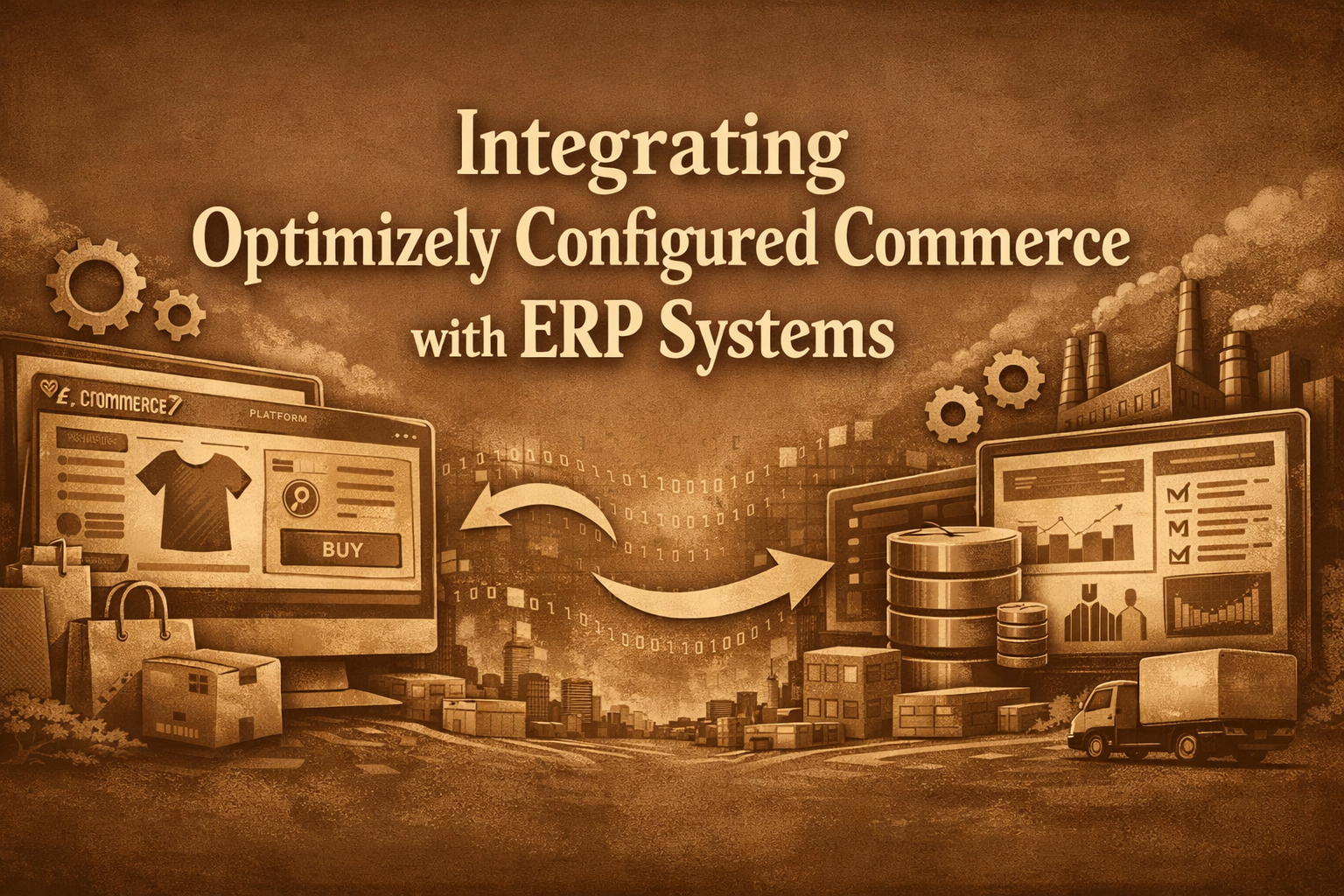
This training program is designed to provide a comprehensive understanding of how to integrate Optimizely Configured Commerce with leading ERP systems to enable seamless data synchronization, process automation, and unified business operations.
In modern B2B environments, eCommerce platforms must operate in real-time alignment with ERP systems for inventory, pricing, customer data, orders, invoicing, and financial workflows. This course equips developers, architects, and integration specialists with the skills to design, implement, secure, and optimize robust ERP integrations with Optimizely Configured Commerce.
Participants will gain hands-on experience in API integrations, middleware strategies, data mapping, synchronization models, error handling, and performance optimization for enterprise-scale deployments.
Prerequisites
- Basic understanding of Optimizely Configured Commerce architecture
- Familiarity with ERP systems (SAP, Oracle, Microsoft Dynamics, etc.)
- Knowledge of REST APIs and web services
- Understanding of JSON/XML data formats
- Basic experience with middleware or integration platforms
- Database fundamentals (SQL concepts)
Table of Contents
Module 1: Integration Fundamentals
- Commerce–ERP Integration Overview
- Business Drivers for ERP Integration
- Real-Time vs Batch Integration Models
- Data Ownership & System of Record Concepts
- Common Integration Challenges
Module 2: Optimizely Configured Commerce Architecture
- Platform Architecture Overview
- Data Models in Configured Commerce
- API Framework & Integration Points
- Integration Jobs & Task Scheduling
- Extensibility & Custom Services
Module 3: ERP Systems Overview
- ERP Architecture Fundamentals
- Common ERP Platforms (SAP, Oracle, Microsoft Dynamics)
- Master Data Management in ERP
- Financial & Operational Data Flow
- ERP Integration Capabilities
Module 4: Integration Architecture Design
- Direct API Integration
- Middleware-Based Integration
- ESB and iPaaS Strategies
- Event-Driven Integration
- Hybrid Integration Architecture
- Security & Authentication (OAuth, API Keys, Tokens)
Module 5: Core Data Integrations
- Customer & Account Integration
- Customer Master Synchronization
- Account Hierarchies
- Credit Limits & Payment Terms
- Product & Catalog Integration
- Product Master Data
- Pricing Rules & Customer-Specific Pricing
- Inventory & Availability Sync
- Order & Transaction Integration
- Order Submission Workflow
- Order Status Updates
- Shipment Tracking
- Invoicing & Payment Reconciliation
Module 6: Data Mapping & Transformation
- Data Mapping Strategies
- Field-Level Mapping
- Data Validation Rules
- Handling Custom Fields
- Data Transformation Best Practices
Module 7: Middleware & Integration Tools
- Using Integration Platforms (Boomi, MuleSoft, Azure Integration Services)
- Queue-Based Processing
- Message Brokers
- Logging & Monitoring
- Error Handling Framework
Module 8: Performance & Scalability
- High-Volume Order Processing
- Bulk Data Import Optimization
- API Throttling & Rate Limits
- Caching Strategies
- Scaling Integration Services
Module 9: Security & Compliance
- Secure Data Transmission
- Role-Based Access Control
- Encryption Standards
- Audit Trails
- Compliance Considerations (GDPR, SOC)
Module 10: Testing & Deployment
- Integration Testing Strategies
- Sandbox & Staging Environments
- Automated Testing
- Deployment Pipelines
- Post-Go-Live Monitoring
Module 11: Troubleshooting & Best Practices
- Common Integration Failures
- Debugging Techniques
- Log Analysis
- Performance Tuning
- Governance & Documentation


Reviews
There are no reviews yet.