


Description
Introduction
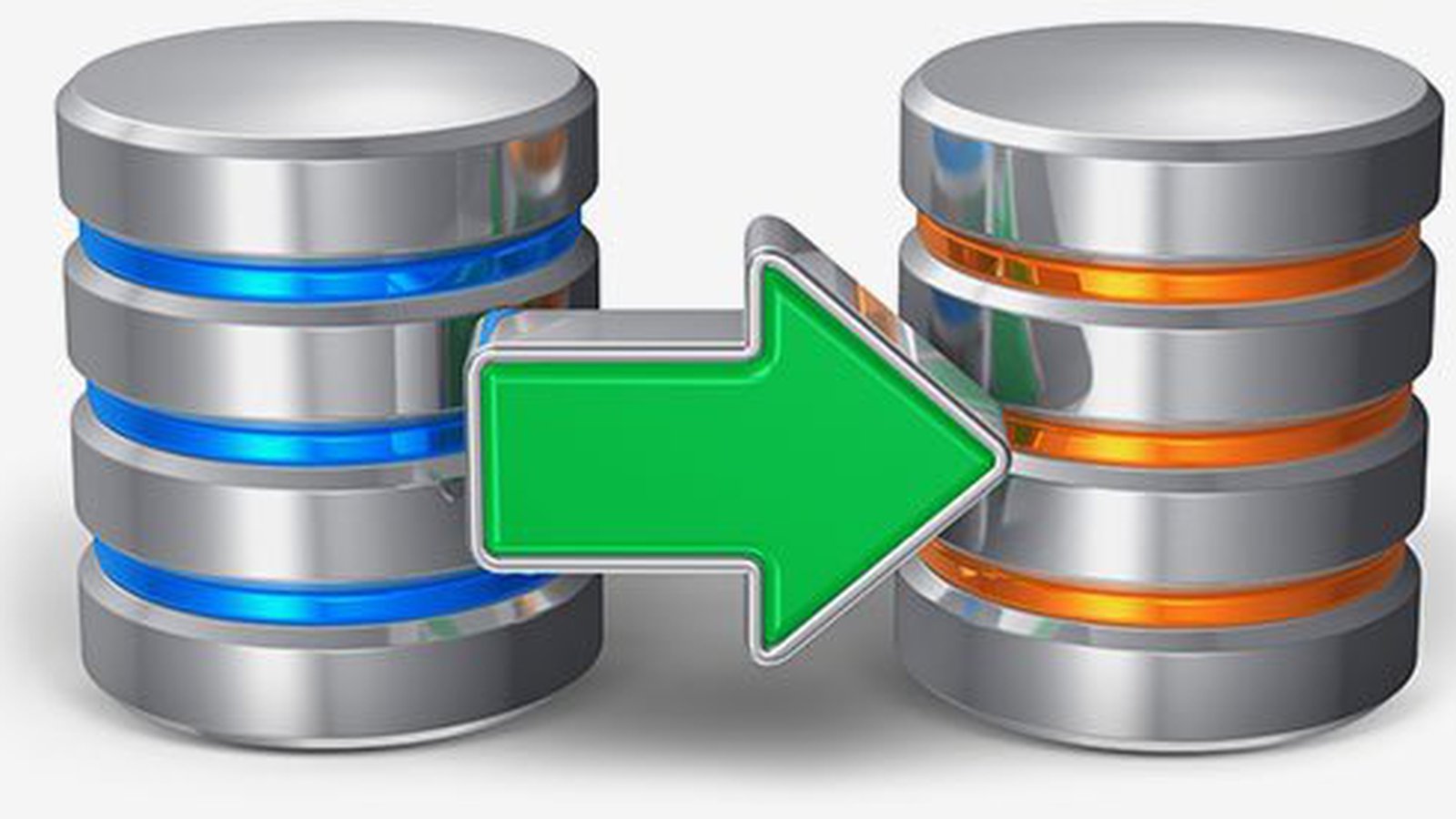
Oracle GoldenGate 23ai for Cloud Microservices is a cloud-native platform designed for real-time data integration. It supports modern distributed systems with ease. In addition, it enables low-latency data movement across databases and cloud platforms.
Furthermore, it works efficiently in hybrid environments. Built on a microservices architecture, it improves scalability and simplifies management. As a result, enterprises can design highly reliable and real-time data pipelines. Overall, it is widely used for analytics, replication, and disaster recovery use cases.
Learner Prerequisites
- Basic understanding of relational database systems (Oracle or any RDBMS)
- Knowledge of SQL, queries, and transaction processing concepts
- Understanding of data integration and ETL/ELT workflows
- Familiarity with cloud platforms such as OCI, AWS, or Azure
- Basic Linux/Unix command-line experience
- Awareness of distributed systems or microservices (preferred but not mandatory)
Table of Contents
1 Introduction to GoldenGate 23ai for Cloud Microservices
1.1 Overview of Oracle GoldenGate and its evolution
1.2 Transition from Classic Architecture to Microservices
1.3 Key features of GoldenGate 23ai
1.4 Real-time data replication use cases
1.5 Benefits for enterprise data integration
1.6 Supported databases and platforms
2 Cloud-Native Microservices Architecture
2.1 Overview of microservices-based design
2.2 Role of Service Manager and Administration Server
2.3 Deployment architecture in cloud environments
2.4 How service orchestration works
2.5 Scalability and elasticity principles
2.6 Communication between microservices components
3 Installation and Setup
3.1 Hardware and software requirements
3.2 Pre-installation environment checks
3.3 Step-by-step installation process
3.4 Initial GoldenGate deployment creation
3.5 Installation validation and verification steps
3.6 Common installation issues and resolutions
4 Core Concepts of Data Replication
4.1 Extract, Pump, and Replicat processes overview
4.2 Trail files and checkpoint mechanism
4.3 Real-time change data capture (CDC)
4.4 GoldenGate data flow architecture
4.5 Transaction consistency handling
4.6 Supported replication modes
5 Configuration and Management
5.1 Deployment creation and management
5.2 Extract and Replicat configuration process
5.3 Parameter file tuning and optimization
5.4 Monitoring via web interface tools
5.5 Security and credential management
5.6 Automating process lifecycle operations
6 Cloud Integration and Deployment
6.1 Integration with Oracle Cloud Infrastructure (OCI)
6.2 Hybrid cloud replication strategies
6.3 Multi-cloud data movement techniques
6.4 Container-based deployment approach
6.5 Load balancing strategies in cloud
6.6 Network considerations for replication
7 Performance Tuning and Optimization
7.1 Techniques for reducing latency
7.2 CPU and memory optimization methods
7.3 Parallel processing configuration
7.4 Throughput improvement strategies
7.5 Identifying and resolving bottlenecks
7.6 Best practices for high-volume data
8 High Availability and Disaster Recovery
8.1 Active-active replication design
8.2 Active-passive architecture setup
8.3 Failover and switchover mechanisms
8.4 Data recovery strategies
8.5 Zero data loss configurations
8.6 System health monitoring techniques
9 Security and Compliance
9.1 Encryption for data in transit and at rest
9.2 Role-based access control and authentication
9.3 Secure deployment practices
9.4 Audit logging and compliance tracking
9.5 Credential management strategies
9.6 Data masking and protection techniques
10 Troubleshooting and Best Practices
10.1 Common replication issues and fixes
10.2 Log analysis and debugging techniques
10.3 Diagnosing performance issues effectively
10.4 Process restart and recovery steps
10.5 Best practices for production environments
10.6 Upgrade and maintenance guidelines
Conclusion
GoldenGate 23ai for Cloud Microservices delivers real-time and scalable data integration. Moreover, it supports hybrid and multi-cloud architectures efficiently. In addition, it ensures high availability with minimal latency. Therefore, it plays a critical role in modern enterprise data ecosystems.


Reviews
There are no reviews yet.