


Description
Introduction
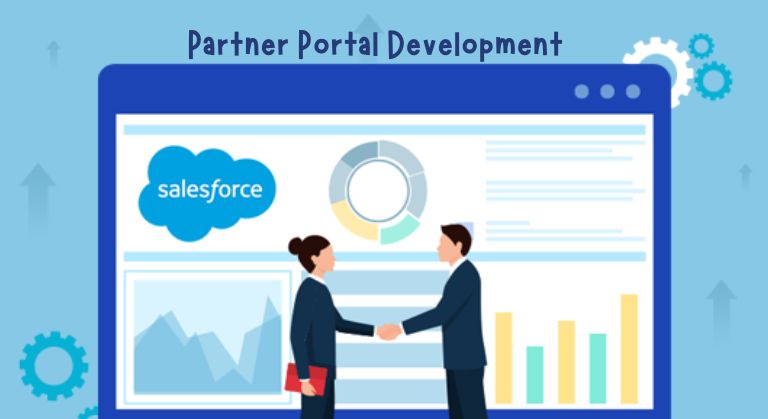
Salesforce Partner Portal, built on Salesforce Experience Cloud, enables organizations to collaborate effectively with channel partners, resellers, and distributors. It provides secure access to leads, opportunities, marketing resources, cases, and analytics while ensuring data visibility through role-based access. Partner Portal Development focuses on designing, configuring, customizing, and deploying scalable partner communities that enhance engagement and drive channel revenue.
Learner Prerequisites
- Basic understanding of Salesforce CRM concepts.
- Familiarity with Sales Cloud processes (Leads, Opportunities, Accounts).
- Knowledge of user roles, profiles, and sharing settings.
- Basic understanding of declarative customization (Objects, Flows, Validation Rules).
Table of Contents
1. Introduction to Salesforce Partner Portals
1.1 Overview of Partner Relationship Management (PRM)
1.2 Benefits of Partner Portals
1.3 Partner Portal vs Customer Community
1.4 Experience Cloud Licensing Models
1.5 Partner User Roles and Data Access
2. Experience Cloud Fundamentals
2.1 Experience Cloud Architecture
2.2 Digital Experiences Setup
2.3 Workspaces and Administration
2.4 Branding and Theme Configuration
2.5 Navigation Menu and Page Structure
3. Partner User Setup and Access Management
3.1 Enabling Partner Accounts
3.2 Creating Partner Users
3.3 Roles and Role Hierarchy for Partners
3.4 Profiles and Permission Sets
3.5 Sharing Rules and Data Visibility
4. Partner Lead and Opportunity Management
4.1 Lead Sharing with Partners
4.2 Lead Assignment Rules
4.3 Deal Registration Process
4.4 Opportunity Management in Portal
4.5 Approval Processes for Partner Deals
5. Customization and Data Model Design
5.1 Custom Objects for Partner Programs
5.2 Record Types and Page Layouts
5.3 Validation Rules and Business Logic
5.4 Flow Automation for Partner Processes
5.5 Custom Lightning Components
6. Partner Collaboration and Case Management
6.1 Case Sharing with Partners
6.2 Knowledge Integration
6.3 Chatter Collaboration
6.4 Escalation and SLA Management
6.5 Partner Support Workflows
7. Content Management and Enablement
7.1 CMS Workspace Overview
7.2 Sharing Marketing Assets
7.3 Document Libraries
7.4 Training and Certification Tracking
7.5 Content Targeting and Personalization
8. Security and Compliance
8.1 External User Security Model
8.2 Role-Based Access Control
8.3 Data Sharing Sets
8.4 Login and Authentication Settings
8.5 Audit Trails and Monitoring
9. Automation and Advanced Features
9.1 Flow-Based Automation
9.2 Apex for Partner Portal Customization
9.3 Lightning Web Components in Portal
9.4 API Integrations
9.5 Third-Party System Integration
10. Reports, Dashboards, and Analytics
10.1 Partner Performance Reports
10.2 Pipeline Visibility
10.3 Custom Dashboards
10.4 Forecasting for Channel Sales
10.5 Partner Incentive Tracking
11. Deployment and Governance
11.1 Sandbox Strategy
11.2 Change Sets and DevOps Tools
11.3 Testing and UAT
11.4 Launch Strategy
11.5 Continuous Improvement and Optimization
Conclusion
Salesforce Partner Portal Development empowers organizations to build secure, scalable, and collaborative partner ecosystems. By leveraging Experience Cloud capabilities, automation, and advanced customization, businesses can streamline deal registration, improve partner engagement, and accelerate channel revenue growth.


Reviews
There are no reviews yet.