


Description
Introduction
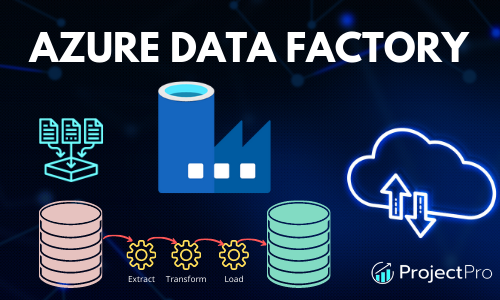
This course is designed for individuals looking to master the fundamentals of Microsoft Azure and develop skills in using Azure Data Factory for data integration, transformation, and orchestration. This course covers the essential concepts and hands-on experience needed to design and implement data-driven workflows using Azure Data Factory. By the end of the course, participants will be well-equipped to leverage ADF to build robust, scalable data pipelines in Azure.
Prerequisites
- Basic understanding of cloud computing concepts
- Familiarity with data management and ETL (Extract, Transform, Load) processes
- Experience with databases and data storage technologies
- Familiarity with SQL and data transformation concepts
- Basic knowledge of Microsoft Azure services
Table of Contents
Module 1: Introduction to Azure and Cloud Computing
1.1 Cloud Computing Fundamentals
1.1.1 Overview of Cloud Computing Concepts
1.1.2 Cloud Deployment and Service Models
1.1.3 Benefits of Cloud Computing
1.2 Introduction to Microsoft Azure
1.2.1 Overview of Microsoft Azure
1.2.2 Key Azure Services and Components
1.2.3 Azure Architecture and Resource Management
Module 2: Getting Started with Azure Data Factory
2.1 Introduction to Azure Data Factory
2.1.1 Overview of Azure Data Factory
2.1.2 Key Features and Capabilities of ADF
2.1.3 Common Data Integration Use Cases
2.2 Azure Data Factory Components
2.2.1 Pipelines, Datasets, and Activities
2.2.2 Linked Services and Integration Runtimes
2.2.3 Navigating the Azure Data Factory Interface
Module 3: Creating and Managing Data Pipelines in ADF
3.1 Building Data Pipelines
3.1.1 Creating Your First Data Pipeline
3.1.2 Configuring Pipeline Activities and Datasets
3.1.3 Connecting Azure Development Concepts with Data Integration
3.2 Managing and Monitoring Pipelines
3.2.1 Publishing and Executing Pipelines
3.2.2 Monitoring Pipeline Runs
3.2.3 Troubleshooting Pipeline Execution Issues
3.3 Configuring Pipeline Triggers
3.3.1 Creating Schedule Triggers
3.3.2 Configuring Event-Based Triggers
3.3.3 Managing Trigger Execution
Module 4: Data Integration and Transformation in ADF
4.1 Connecting Data Sources and Destinations
4.1.1 Configuring Source Connections
4.1.2 Configuring Destination Connections
4.1.3 Managing Linked Services and Datasets
4.2 Data Transformation Using Data Flows
4.2.1 Introduction to Mapping Data Flows
4.2.2 Using Data Flow Activities
4.2.3 Applying Data Transformation Rules
4.3 Data and Schema Mapping
4.3.1 Understanding Data Mapping
4.3.2 Configuring Schema Mapping
4.3.3 Handling Data Types and Schema Changes
Module 5: Workflow Orchestration and Data Movement
5.1 Managing Data Movement
5.1.1 Introduction to Copy Activities
5.1.2 Configuring Data Copy Operations
5.1.3 Managing Data Movement Between Systems
5.2 Working with Azure Integration Runtime
5.2.1 Understanding Integration Runtime Types
5.2.2 Configuring Azure Integration Runtime
5.2.3 Selecting the Appropriate Runtime for Data Movement
5.3 Monitoring Data Movement
5.3.1 Monitoring Copy Activity Execution
5.3.2 Reviewing Data Flow Execution Details
5.3.3 Troubleshooting Data Movement Failures
Module 6: Working with Data Storage Solutions in ADF
6.1 Integrating Azure Blob Storage
6.1.1 Connecting Azure Blob Storage to ADF
6.1.2 Configuring Datasets for Blob Storage
6.1.3 Importing and Exporting Data
6.2 Connecting Azure SQL Database and Data Lakes
6.2.1 Configuring Azure SQL Database Connections
6.2.2 Integrating Data Lake Storage
6.2.3 Moving Data Between Databases and Storage Services
6.3 Managing Azure Data Lake Storage Gen2
6.3.1 Understanding Data Lake Storage Gen2
6.3.2 Configuring Data Lake Access
6.3.3 Managing Data Storage and Integration Workflows
Module 7: Implementing Security and Access Control in ADF
7.1 Securing Data
7.1.1 Understanding Data Security in Transit and at Rest
7.1.2 Protecting Credentials and Connection Details
7.1.3 Applying Data Security Best Practices
7.2 Authentication and Authorization
7.2.1 Configuring Authentication Methods
7.2.2 Managing Access to Azure Data Factory
7.2.3 Using Managed Identities and Secure Connections
7.3 Azure Role-Based Access Control
7.3.1 Understanding Azure RBAC
7.3.2 Assigning Roles and Permissions
7.3.3 Reviewing Access Control Best Practices
Module 8: Advanced Azure Data Factory Features
8.1 Parameterization in Data Pipelines
8.1.1 Understanding Parameters and Variables
8.1.2 Creating Reusable Pipeline Components
8.1.3 Implementing Dynamic Pipeline Configurations
8.2 Custom Activities and Azure Functions
8.2.1 Understanding Custom Activities
8.2.2 Integrating Azure Functions with ADF
8.2.3 Executing Custom Processing Tasks
8.3 Error Handling and Logging
8.3.1 Configuring Pipeline Error Handling
8.3.2 Implementing Logging and Failure Notifications
8.3.3 Troubleshooting Pipeline Failures
Module 9: Automation and Optimization in ADF
9.1 Automating Data Pipeline Execution
9.1.1 Scheduling Automated Pipeline Runs
9.1.2 Configuring Trigger-Based Automation
9.1.3 Managing Dependencies Between Pipelines
9.2 Performance Optimization
9.2.1 Identifying Pipeline Performance Bottlenecks
9.2.2 Optimizing Data Copy and Transformation Activities
9.2.3 Improving Pipeline Execution Efficiency
9.3 Best Practices for Data Integration
9.3.1 Designing Efficient Data Integration Workflows
9.3.2 Managing Resources and Costs
9.3.3 Applying Reliability and Maintainability Best Practices
Module 10: Azure Data Factory Implementation and Practical Projects
10.1 Reviewing Key Concepts
10.1.1 Reviewing Azure and ADF Architecture
10.1.2 Revisiting Pipeline Development and Data Transformation
10.1.3 Reviewing Security, Monitoring, and Optimization
10.2 Common Scenarios and Use Cases
10.2.1 Building Data Integration Workflows
10.2.2 Automating Data Transfers Between Azure Services
10.2.3 Implementing Real-World Data Integration Scenarios
10.3 Practice Exercises and Real-World Project
10.3.1 Designing and Building an End-to-End Data Pipeline
10.3.2 Integrating Multiple Data Sources and Destinations
10.3.3 Implementing Monitoring and Error Handling
10.3.4 Testing and Optimizing the Completed Solution
Conclusion
Upon completion of this training, participants will have a solid foundation in both Microsoft Azure and Azure Data Factory. With hands-on experience in data integration, transformation, and orchestration, they will be well-prepared to implement scalable, efficient data pipelines on Azure. This course will also serve as a strong base for advancing to more complex data engineering tasks in the cloud.


Reviews
There are no reviews yet.