


Description
Introduction
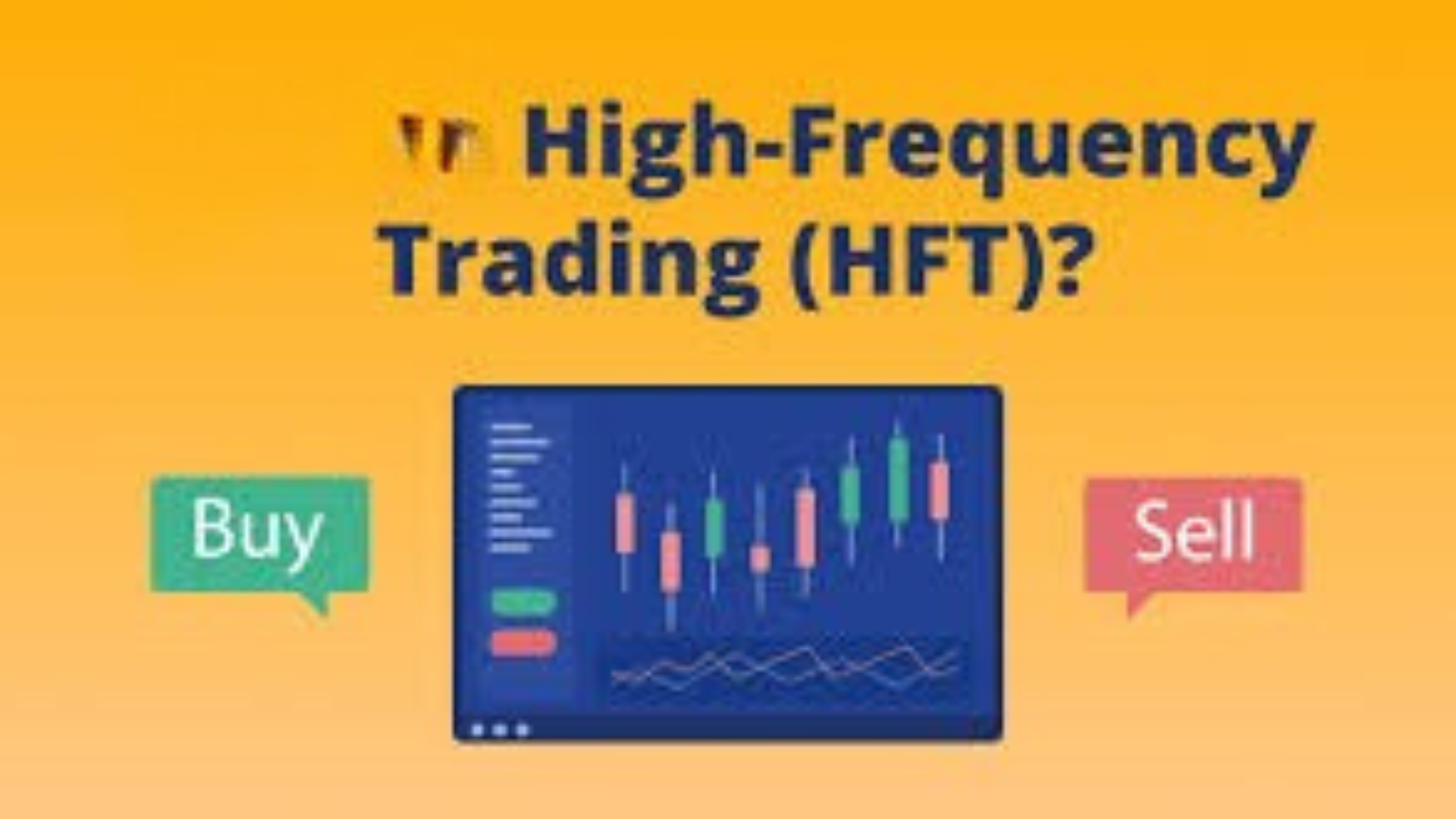
High-Frequency Trading (HFT) systems demand ultra-low latency, high-throughput data processing, and real-time analytics. kdb+, powered by the q language, is a leading time-series database widely adopted across global financial institutions for building high-performance trading, surveillance, and analytics platforms.
This training provides a deep, hands-on understanding of designing, developing, and optimizing HFT systems using kdb+. Participants will learn how to process tick data, manage order books, build real-time analytics pipelines, and architect scalable low-latency trading infrastructures.
The program combines theory, architecture design, and practical lab sessions to equip professionals with the skills required to build production-grade HFT systems.
Prerequisites
- Basic understanding of financial markets (equities, derivatives, FX, etc.)
- Familiarity with trading concepts (order types, market data, order books)
- Basic programming knowledge (any language)
- Prior exposure to q/kdb+ (recommended but not mandatory)
- Understanding of Linux/Unix environments
- Basic knowledge of networking concepts (TCP/IP, multicast – beneficial)
Table of Contents
Module 1: HFT Fundamentals & Market Microstructure
- Overview of High-Frequency Trading
- Market Microstructure Concepts
- Latency, Throughput & Determinism
- Exchange Connectivity & Market Data Feeds
- Co-location & Infrastructure Considerations
Module 2: kdb+ Architecture for Trading Systems
- kdb+ Core Architecture
- Real-Time Database (RDB) vs Historical Database (HDB)
- Tick Architecture (Tickerplant, Feed Handlers)
- Intraday Write & End-of-Day Processing
- Scaling kdb+ for Trading Environments
Module 3: Market Data Handling & Tick Processing
- Parsing and Normalizing Tick Data
- Trade & Quote Data Structures
- Order Book Reconstruction
- Handling Out-of-Order & Late Data
- Data Validation & Integrity Checks
Module 4: Building Low-Latency Analytics in q
- Vectorized Computations in q
- Real-Time Aggregations
- Windowed Analytics
- VWAP, TWAP, Slippage Calculations
- Event-Driven Calculations
Module 5: Designing HFT Data Pipelines
- Feed Handlers & Multicast Handling
- Tickerplant Design
- Publishing & Subscribing Models
- Fault Tolerance & Recovery Strategies
- Replay Mechanisms
Module 6: Strategy Development & Backtesting
- Historical Data Replay
- Signal Generation
- Feature Engineering for HFT
- Intraday Backtesting Framework
- Performance Metrics & Risk Measures
Module 7: Performance Optimization
- Memory Management in kdb+
- CPU Optimization & Parallelism
- Partitioning & Splayed Tables
- Query Optimization Techniques
- Benchmarking & Latency Testing
Module 8: Production Deployment & Monitoring
- Deployment Architectures
- High Availability Setup
- Monitoring & Logging
- Capacity Planning
- Disaster Recovery
Module 9: Risk, Compliance & Surveillance
- Real-Time Risk Checks
- Market Abuse Detection
- Audit Trail Management
- Regulatory Reporting Considerations
Module 10: Capstone Project – Building an HFT Framework
- End-to-End System Design
- Live Market Data Simulation
- Order Book & Analytics Integration
- Performance Testing
- Final Presentation & Review

Reviews
There are no reviews yet.