


Description
Introduction
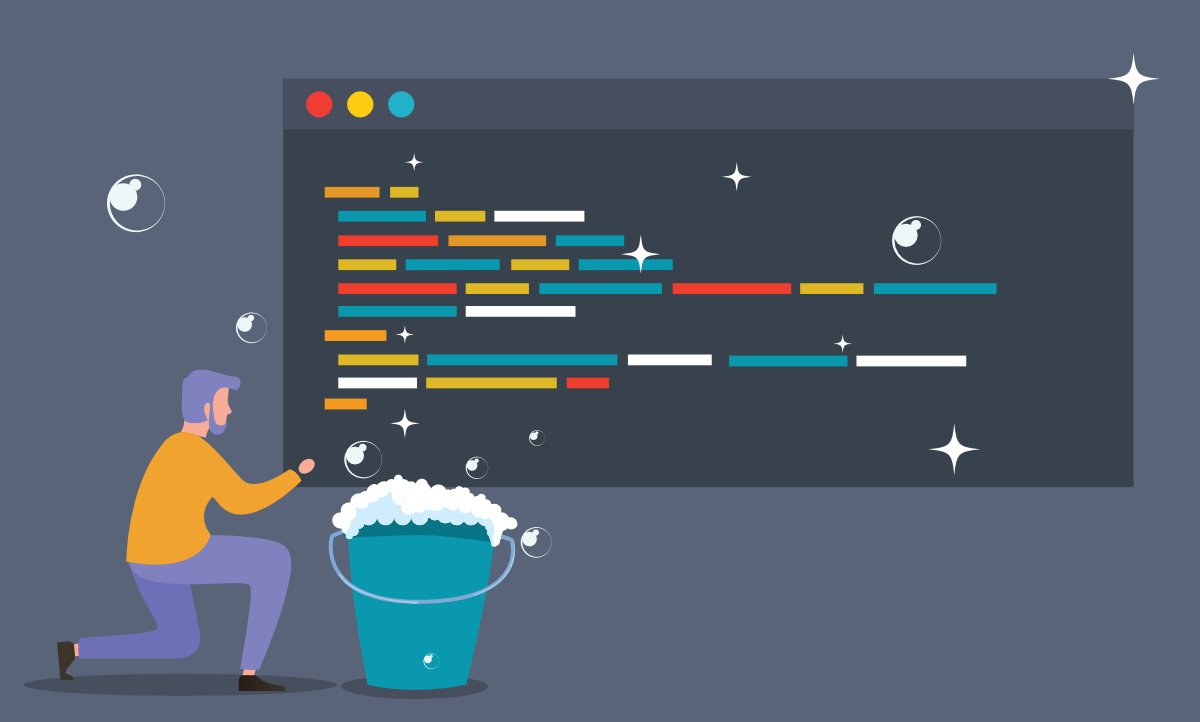
Clean Code Essentials: Writing Readable, Maintainable & Efficient Software is designed to help developers elevate their coding standards by applying proven principles, patterns and best practices. This training focuses on creating code that is easy to read, understand, test and extend—ensuring long-term project stability and reducing technical debt. Through hands-on examples and real-world scenarios, participants learn how to transform messy or complex code into clean, elegant and maintainable solutions.
Prerequisites
Basic programming knowledge in any language
Familiarity with functions, classes and modules
Understanding of version control (e.g., Git) recommended
Prior experience working on real projects is helpful but not required
Table of Contents
1. Foundations of Clean Code
1.1 What Is Clean Code and Why It Matters
1.2 Key Characteristics of Clean Code
1.3 Understanding Technical Debt
1.4 Code Smells Overview
2. Naming, Functions & Code Structure
2.1 Meaningful Naming Conventions
2.2 Writing Small, Purpose-Driven Functions
2.3 Organizing Classes and Modules
2.4 DRY, KISS and YAGNI Principles
3. Comments, Formatting & Coding Style
3.1 When to Use Comments Effectively
3.2 Consistent Formatting and Style Guides
3.3 Improving Readability with Structure
3.4 Tools for Automated Style Checking
4. Error Handling & Defensive Programming
4.1 Clean Exception Handling Practices
4.2 Avoiding Silent Failures
4.3 Input Validation & Defensive Techniques
4.4 Building Reliable Error Messages
5. Clean Code in Object-Oriented Design
5.1 SOLID Principles in Practice
5.2 Encapsulation and Cohesion
5.3 Avoiding Over-Engineering
5.4 Applying Design Patterns the Clean Way
6. Refactoring Techniques
6.1 Identifying and Removing Code Smells
6.2 Step-by-Step Refactoring Approaches
6.3 Using IDE Tools for Safe Refactoring
6.4 Refactoring Legacy Code
7. Testing & Clean Code
7.1 Importance of Testable Code
7.2 Writing Clean and Maintainable Unit Tests
7.3 Test-Driven Development Essentials
7.4 Clean Test Patterns & Anti-Patterns
8. Clean Code in Modern Development
8.1 Clean Coding in Agile & DevOps
8.2 Code Reviews & Pair Programming
8.3 CI/CD and Automated Quality Gates
8.4 Real-World Case Studies & Best Practices
Clean code is not just about aesthetics—it directly impacts productivity, quality and long-term maintainability. By applying the principles and practices covered in this training, developers can write software that is easy to read, simple to extend and far more reliable. Ultimately, clean code leads to better collaboration and reduced technical debt, enabling teams to deliver high-quality products consistently.

Reviews
There are no reviews yet.