


Description
Introduction
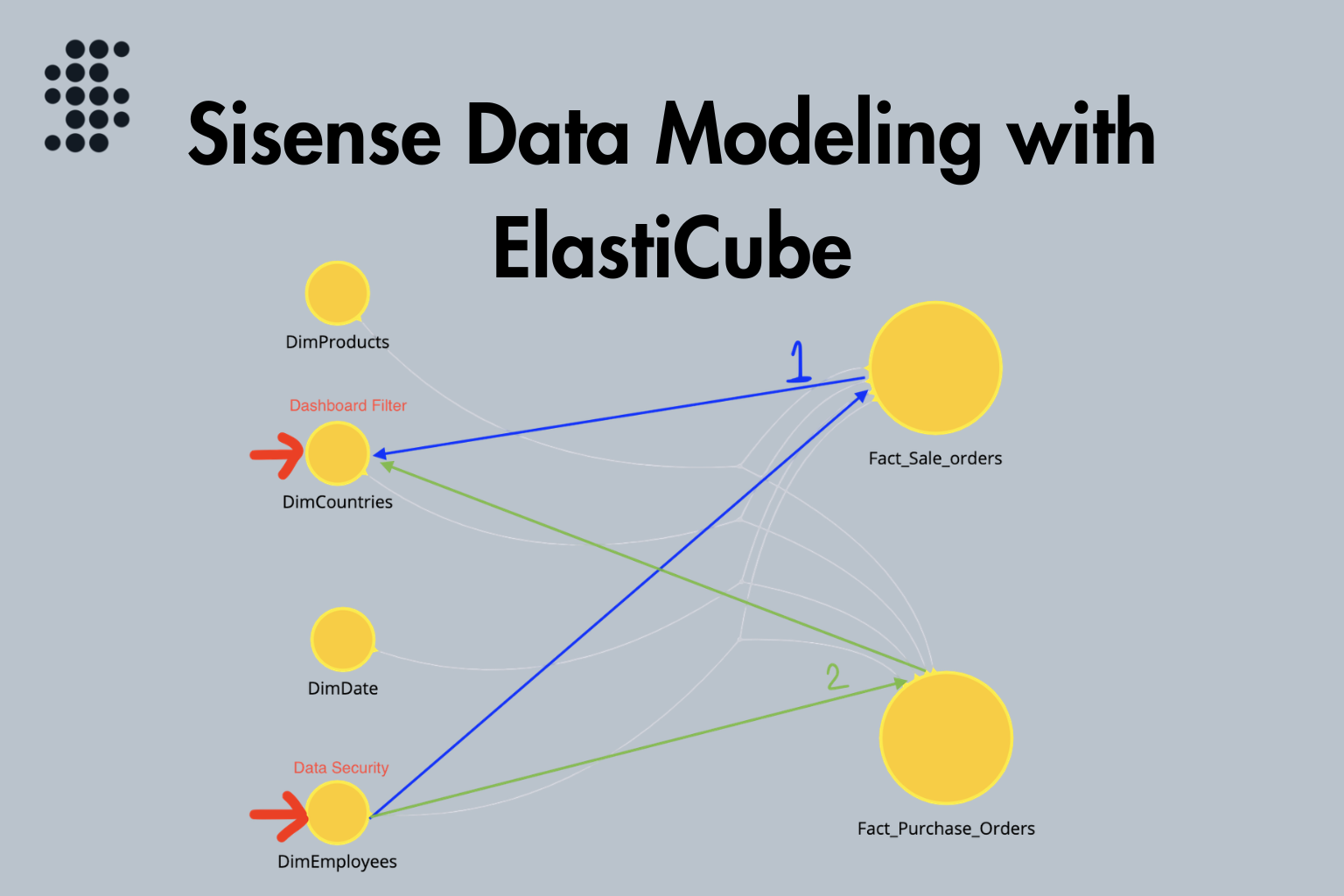
Sisense is an enterprise-grade business intelligence and analytics platform designed for data preparation, modeling, and visualization. Moreover, it uses the ElastiCube engine for in-memory data processing, which ensures fast performance even with large datasets.
In addition, it enables the integration of multiple data sources into a single analytical model. As a result, users can build interactive dashboards that support better business decisions. Therefore, it is widely used for scalable analytics, embedded BI, and self-service reporting.
Learner Prerequisites
- Basic understanding of SQL and relational database concepts
- Familiarity with data warehousing fundamentals (facts, dimensions, schemas)
- Awareness of ETL (Extract, Transform, Load) processes
- Basic knowledge of BI tools and reporting concepts
- Understanding of data modeling principles (recommended)
Table of Contents
1. Introduction to Sisense Data Modeling with ElastiCube (Overview)
1.1 Overview of Sisense Architecture and Core Components
1.2 Understanding the ElastiCube In-Memory Analytics Engine
1.3 Role of Data Modeling in Modern Business Intelligence
1.4 Key Capabilities and Advantages of Sisense ElastiCube
1.5 Real-World Use Cases of Data Modeling in Sisense
2. Setting Up Sisense Environment (Setup & Configuration)
2.1 System Requirements and Installation Steps
2.2 Configuring Sisense Services and Environment Settings
2.3 Exploring the Sisense Web Interface and ElastiCube Manager
2.4 Creating and Structuring a New ElastiCube Project
2.5 Best Practices for Initial Environment Setup
3. Data Source Integration and Connectivity (Connections)
3.1 Connecting to Relational Databases (SQL Server, MySQL, etc.)
3.2 Importing Flat Files such as CSV and Excel
3.3 Integrating Cloud Platforms and REST APIs
3.4 Managing Data Refresh Schedules and Synchronization
3.5 Handling Connection Errors and Troubleshooting
4. Building and Managing ElastiCube Models (Model Design)
4.1 Designing Efficient and Scalable Data Models
4.2 Creating and Structuring Fact and Dimension Tables
4.3 Defining Joins, Relationships, and Primary Keys
4.4 Managing Large-Scale and Complex Data Structures
4.5 Organizing Models for Reusability and Performance
5. Data Transformation and Preparation (Processing)
5.1 Data Cleansing and Standardization Techniques
5.2 Creating Calculated Fields and Business Metrics
5.3 Applying Aggregations, Filters, and Transformations
5.4 Managing Data Types and Formatting Rules
5.5 Preparing Data for Dashboards and Reporting
6. Advanced ElastiCube Modeling Techniques (Advanced)
6.1 Implementing Incremental Data Loading Strategies
6.2 Using Scripts for Business Logic and Automation
6.3 Optimizing Performance for Large Data Models
6.4 Managing Complex Relationships and Hierarchies
6.5 Following Best Practices for Scalable Architecture
7. Testing, Validation, and Performance Tuning (Optimization)
7.1 Validating Data Accuracy and Consistency
7.2 Debugging and Resolving Modeling Issues
7.3 Optimizing Query Performance and Execution Time
7.4 Monitoring ElastiCube Performance Metrics
7.5 Identifying and Resolving Performance Bottlenecks
8. Deployment and Maintenance of ElastiCube Models (Operations)
8.1 Publishing and Deploying ElastiCube Projects
8.2 Scheduling Automated Data Refresh Processes
8.3 Managing User Roles, Permissions, and Security
8.4 Performing Ongoing Maintenance and Updates
8.5 Backup, Recovery, and Version Management Strategies
Conclusion
This training provides a complete end-to-end understanding of Sisense ElastiCube data modeling. In addition, it covers the full lifecycle from environment setup and data integration to advanced modeling and performance optimization.
As a result, learners gain practical exposure to real-world BI development scenarios. Therefore, they can confidently design scalable and high-performance data models. Ultimately, participants will be able to build and manage enterprise-ready analytics solutions using Sisense.



Reviews
There are no reviews yet.