


Description
Introduction
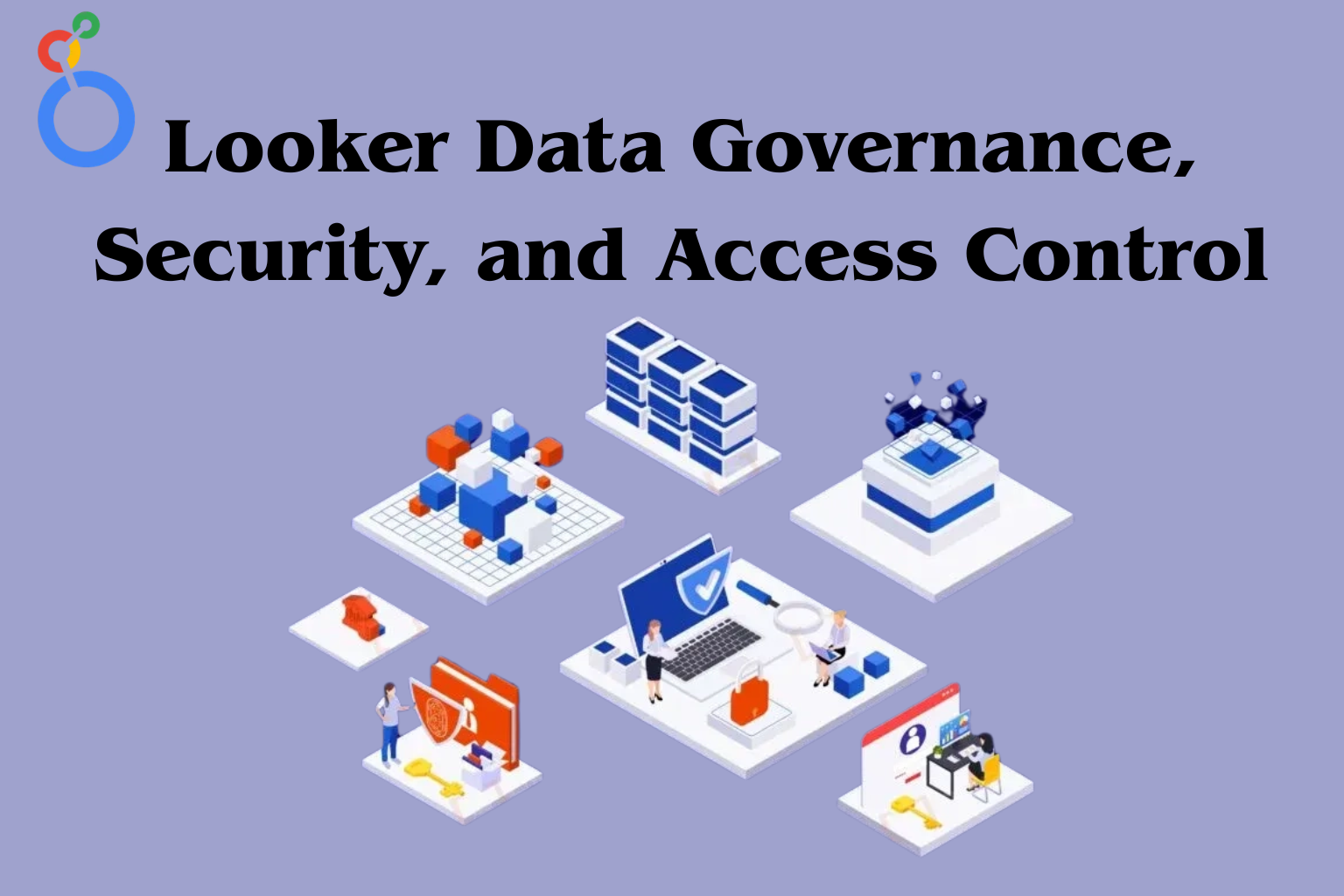
Looker is a modern Business Intelligence (BI) platform. It helps organizations manage and analyze data securely. It uses LookML to define business logic and control data access. In addition, it ensures consistent and governed reporting.
Moreover, Looker provides strong security and access control features. As a result, organizations can protect sensitive data. Furthermore, it supports role-based access and data governance. Therefore, teams can maintain compliance and trust.
Learner Prerequisites
- Basic understanding of SQL and relational databases
- Familiarity with Looker interface and navigation
- Knowledge of dimensions, measures, and Explores
- Basic understanding of data governance concepts
- Awareness of data security and compliance fundamentals
Table of Contents
1. Introduction to Data Governance in Looker
1.1 Overview of Data Governance Concepts
1.2 Importance of Data Security and Compliance
1.3 Governance Features in Looker
1.4 Role of LookML in Data Control
1.5 Common Governance Use Cases
2. Looker Security Architecture
2.1 Overview of Looker Security Model
2.2 Authentication Methods and SSO
2.3 User Roles and Permissions
2.4 Content Access and Folder Structure
2.5 Security Best Practices
3. Access Control Mechanisms
3.1 Role-Based Access Control (RBAC)
3.2 Managing User Groups and Roles
3.3 Setting Permissions for Models and Explores
3.4 Controlling Access to Dashboards and Looks
3.5 Environment-Level Access Control
4. Row-Level and Column-Level Security
4.1 Implementing Row-Level Security
4.2 Using Access Filters and User Attributes
4.3 Column-Level Restrictions
4.4 Dynamic Data Access Control
4.5 Security Testing and Validation
5. Data Governance with LookML
5.1 Centralized Business Logic Management
5.2 Enforcing Data Standards and Consistency
5.3 Managing Dimensions and Measures
5.4 Using Sets and Parameters for Control
5.5 Version Control and Governance
6. Auditing and Monitoring
6.1 Understanding Looker Audit Logs
6.2 Tracking User Activity
6.3 Monitoring Data Usage
6.4 Identifying Security Risks
6.5 Compliance Reporting
7. Data Privacy and Compliance
7.1 Overview of Data Privacy Regulations
7.2 Handling Sensitive and Personal Data
7.3 Data Masking and Anonymization
7.4 Compliance Best Practices
7.5 Risk Management Strategies
8. Managing Content and Access Lifecycle
8.1 User Onboarding and Offboarding
8.2 Managing Roles Over Time
8.3 Content Governance Policies
8.4 Data Access Reviews
8.5 Maintaining Long-Term Governance
9. Integration and Advanced Security Features
9.1 Integration with Identity Providers
9.2 API-Based Access Management
9.3 Embedding with Secure Access
9.4 Advanced Authentication Techniques
9.5 Extending Security with Custom Solutions
10. Real-World Use Cases and Implementation
10.1 Enterprise Data Governance Scenarios
10.2 Implementing Secure Dashboards
10.3 Managing Multi-Department Access
10.4 Troubleshooting Security Issues
10.5 Capstone Project
Conclusion
In conclusion, this training builds strong data governance and security skills. Moreover, it improves access control and compliance practices. Therefore, learners can protect data effectively. As a result, they can ensure secure and reliable analytics environments. Furthermore, they can apply these practices in real-world scenarios and maintain long-term data integrity.


Reviews
There are no reviews yet.