


Description
Introduction
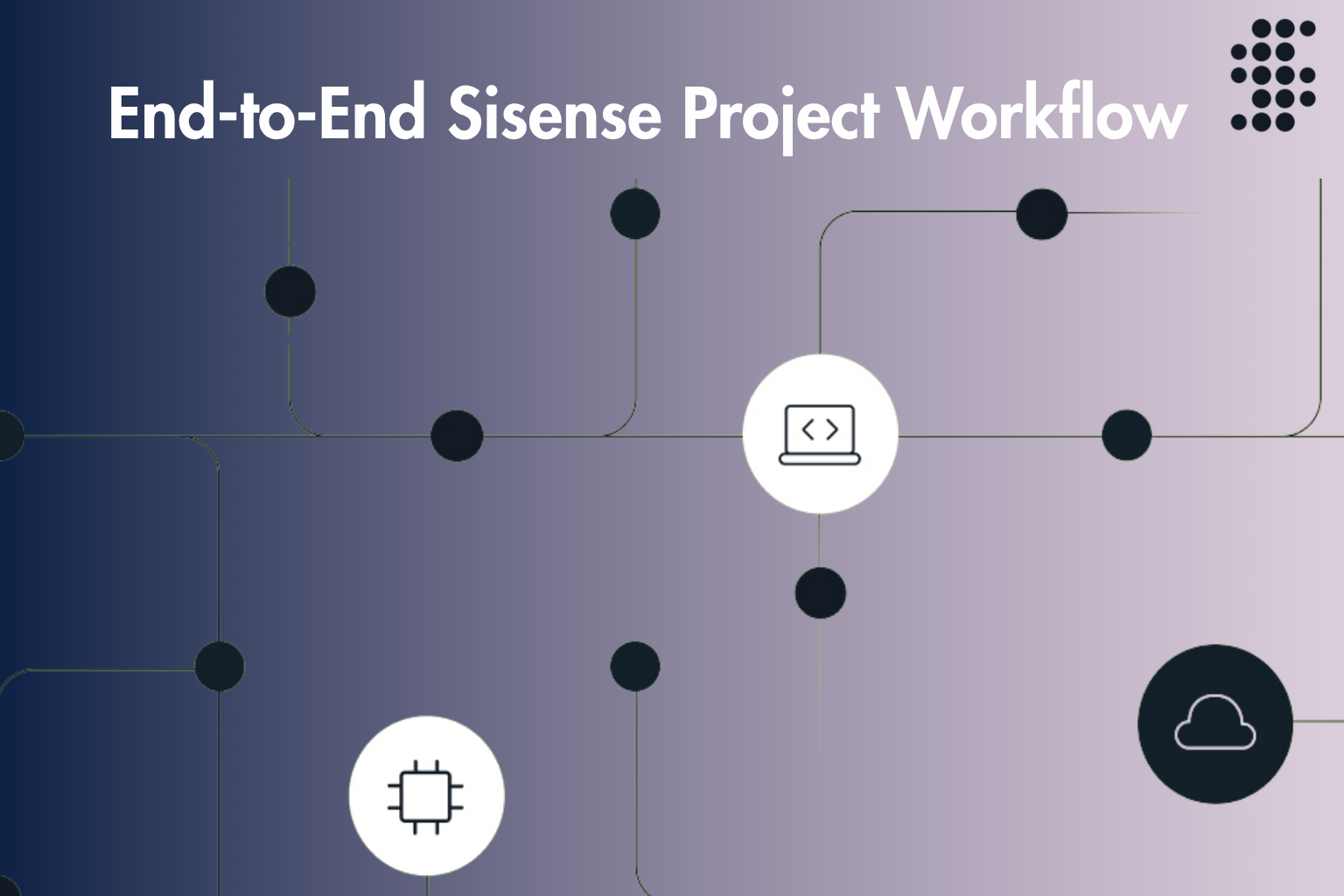
Sisense is a powerful business intelligence and analytics platform used to build, analyze, and deploy data-driven solutions. It enables interactive dashboards and embedded analytics across applications. The platform supports complete data workflows, including ingestion, transformation, modeling, visualization, and deployment. It is widely used for enterprise reporting and scalable analytics use cases.
Sisense also integrates with cloud and on-premise data sources. This allows organizations to unify analytics delivery across multiple systems.
Learner Prerequisites
- Basic understanding of business intelligence and data analytics concepts
- Familiarity with databases, SQL, and data modeling fundamentals
- Awareness of ETL processes and data pipelines
- Basic knowledge of dashboards and reporting tools
- Understanding of cloud platforms (helpful but not mandatory)
Table of Contents
1. Project Planning and Requirement Analysis
1.1 Understanding business requirements and defining KPIs
1.2 Identifying data sources and stakeholders
1.3 Defining project scope and success criteria
1.4 Planning data architecture and solution design
1.5 Estimating timelines and resource requirements
2. Data Discovery and Source Assessment
2.1 Exploring structured and unstructured data sources
2.2 Evaluating data quality and completeness
2.3 Identifying data relationships and dependencies
2.4 Selecting datasets for analytics use cases
2.5 Preparing initial data profiling reports
3. Data Modeling and Structure Design
3.1 Designing logical and physical data models
3.2 Creating relationships between tables and entities
3.3 Defining hierarchies and dimensions
3.4 Building analytical schemas for reporting
3.5 Optimizing models for performance and scalability
4. Data Preparation and ETL Processes
4.1 Extracting data from multiple sources
4.2 Transforming and cleaning raw datasets
4.3 Loading data into Sisense models
4.4 Automating ETL pipelines and workflows
4.5 Validating transformed data accuracy
5. Dashboard and Visualization Development
5.1 Designing interactive dashboards and layouts
5.2 Creating charts, widgets, and visual elements
5.3 Applying filters and user controls
5.4 Improving usability and user experience
5.5 Aligning visuals with business KPIs
6. Testing and Validation
6.1 Validating data accuracy and consistency
6.2 Testing dashboard performance and responsiveness
6.3 Performing user acceptance testing (UAT)
6.4 Identifying and fixing functional issues
6.5 Ensuring alignment with business requirements
7. Deployment and Publishing
7.1 Publishing dashboards to production
7.2 Managing version control and release cycles
7.3 Configuring user access and permissions
7.4 Deploying updates and enhancements
7.5 Monitoring post-deployment performance
8. Maintenance and Optimization
8.1 Monitoring system health and usage
8.2 Optimizing query and load performance
8.3 Updating data models and reports
8.4 Troubleshooting issues and errors
8.5 Improving analytics solutions continuously
Conclusion
An end-to-end Sisense project workflow provides a structured approach to building scalable analytics solutions. It covers all stages, from requirement analysis to deployment and maintenance.This approach improves data accuracy, system performance, and usability. As a result, organizations can make faster and more informed business decisions.

Reviews
There are no reviews yet.