


Description
Introduction
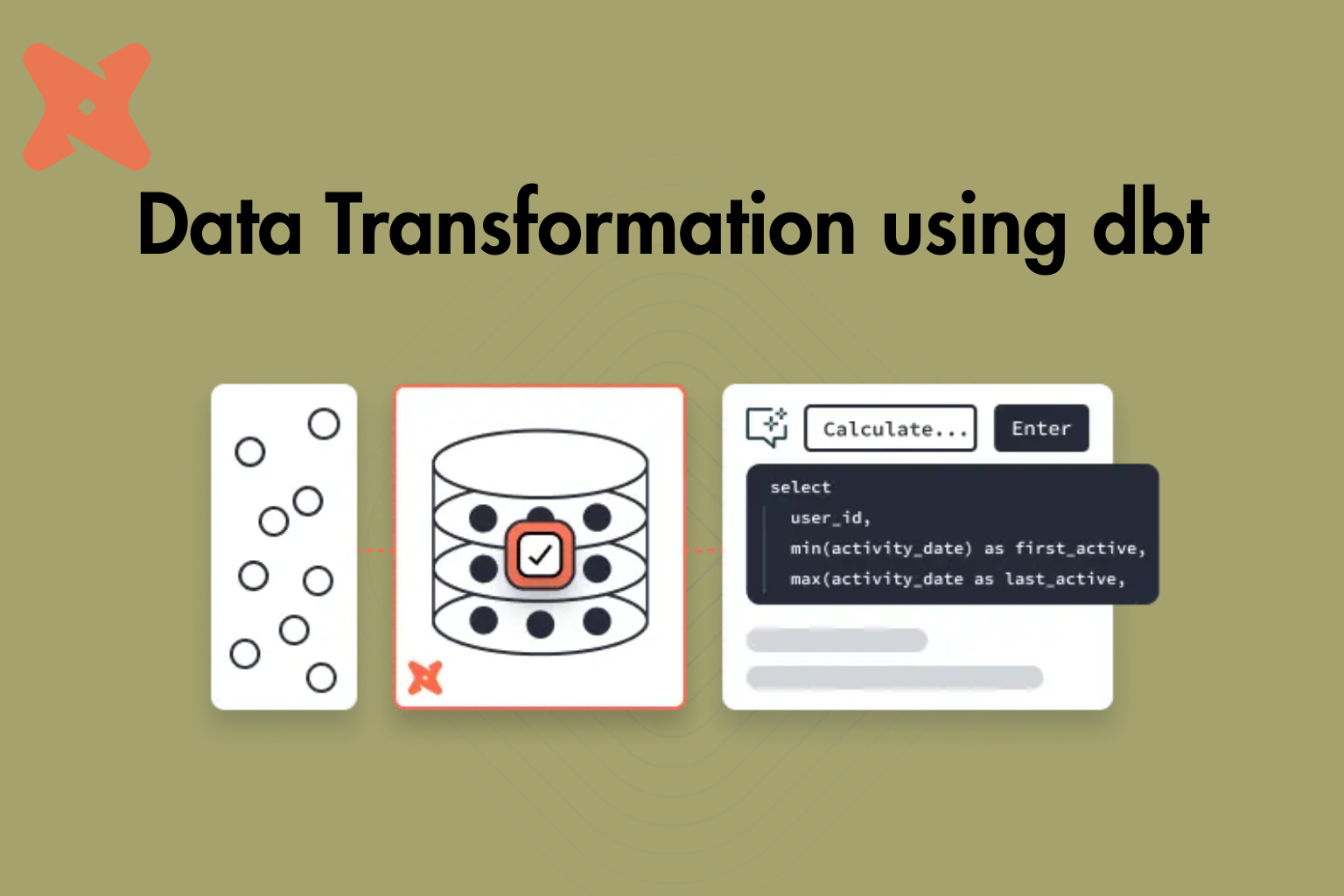
dbt (data build tool) is a modern analytics engineering framework. It transforms raw data into clean datasets inside a warehouse. In addition, it uses SQL-based transformations.Moreover, it applies software engineering practices. These include version control, modular design, testing, and documentation.It also supports CI/CD workflows. Therefore, it is widely used in modern data stacks. dbt works with Snowflake, BigQuery, and Redshift. As a result, it helps build scalable data pipelines.
Learner Prerequisites
• Basic knowledge of SQL is required.
• In addition, learners should understand relational databases.
• Familiarity with data warehousing is recommended.
• Moreover, exposure to ETL or ELT workflows is helpful.
• Basic understanding of cloud platforms is useful.
• However, Git knowledge is optional but beneficial.
Table of Contents
1. Introduction to End-to-End Data Transformation with dbt
1.1 Overview of data transformation lifecycle
1.2 Role of dbt in modern analytics engineering
1.3 Key concepts of end-to-end pipelines
1.4 Benefits of using dbt workflows
1.5 Overview of modern data stack architecture
2. dbt Project Setup and Environment Configuration
2.1 Installing dbt Core and dbt Cloud
2.2 Configuring profiles and project structure
2.3 Connecting dbt to data warehouses
2.4 Managing dev, test, and prod environments
2.5 Validating initial dbt setup
3. Data Ingestion and Source Management in dbt
3.1 Defining dbt sources
3.2 Managing raw data layers
3.3 Using seeds for static data
3.4 Source freshness checks
3.5 Organizing input datasets
4. Building Data Transformation Models in dbt
4.1 Writing SQL transformation models
4.2 Designing staging layers
4.3 Building intermediate layers
4.4 Creating mart layers
4.5 Using ref() for dependencies
5. Data Testing and Quality Assurance in dbt
5.1 Built-in tests
5.2 Custom business rule tests
5.3 Data validation strategies
5.4 Handling data quality failures
5.5 Establishing testing standards
6. Documentation, Lineage, and Governance in dbt
6.1 Auto-generated documentation
6.2 Understanding lineage graphs
6.3 Adding metadata and descriptions
6.4 Sharing documentation outputs
6.5 Data governance practices
7. Advanced dbt Features for End-to-End Pipelines
7.1 Macros for reusable logic
7.2 Jinja templating usage
7.3 Snapshots for history tracking
7.4 dbt packages for reuse
7.5 Advanced configuration options
8. Deployment, Scheduling, and Monitoring dbt Pipelines
8.1 dbt Core vs dbt Cloud comparison
8.2 Job scheduling workflows
8.3 CI/CD integration with Git
8.4 Production deployment practices
8.5 Monitoring and troubleshooting runs
Conclusion
This training covers end-to-end data transformation using dbt. First, it explains core concepts clearly. Then, it moves into practical implementation.
Moreover, it covers testing and deployment workflows. Therefore, learners can build production-ready pipelines. In addition, they can manage scalable analytics systems with confidence.



Reviews
There are no reviews yet.