


Description
Introduction
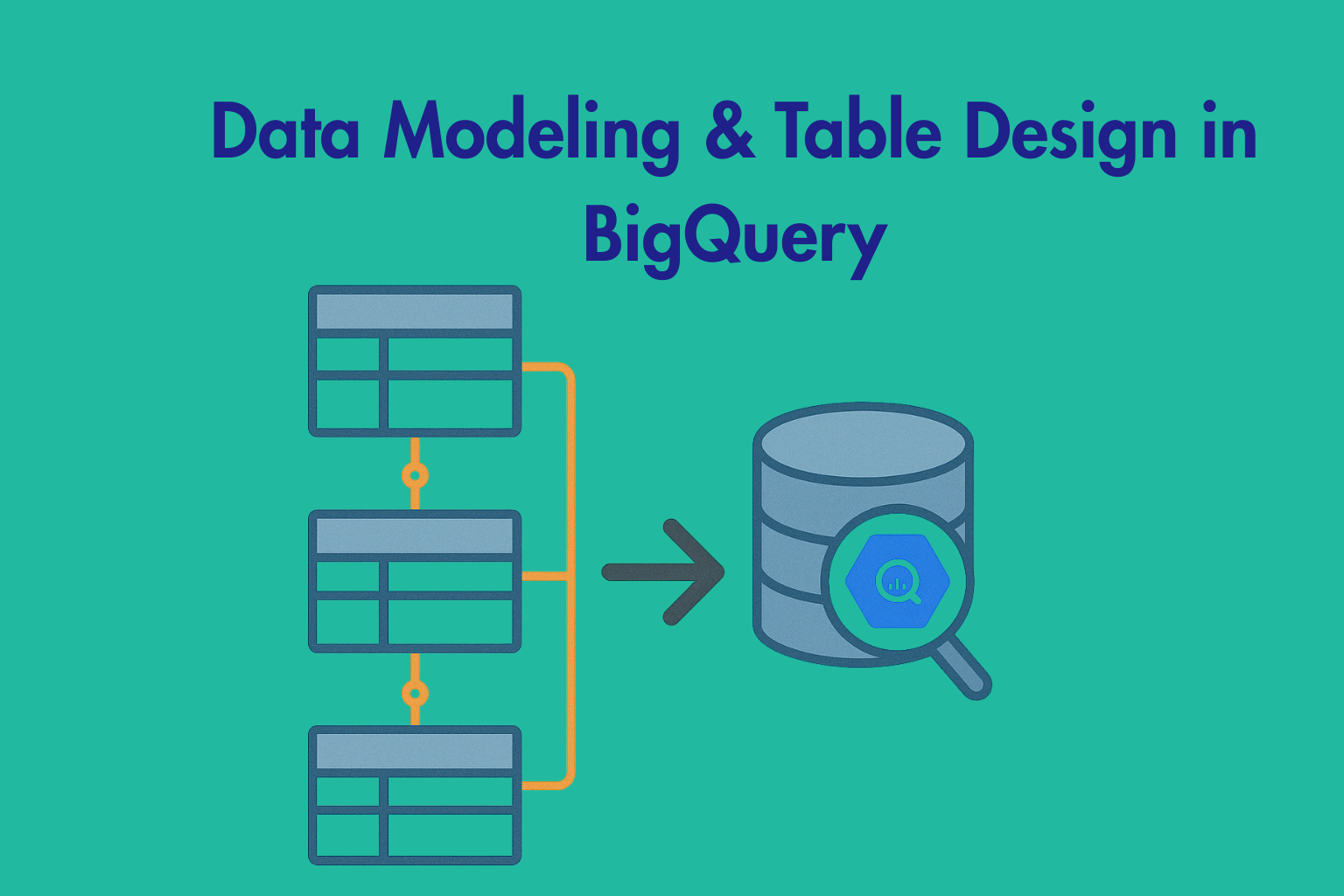
Google BigQuery is a fully managed and serverless data warehouse. It is designed for large-scale analytics.It supports fast SQL-based querying and scalable storage. In addition, it integrates smoothly with modern cloud ecosystems. Moreover, it helps in building efficient data models for analytical workloads.
Because of these strengths, it is widely used for designing optimized table structures. Therefore, it is a key tool for modern data architecture.
Learner Prerequisites
- Basic understanding of SQL (SELECT, JOIN, GROUP BY)
- Familiarity with relational database concepts
- Awareness of data warehousing fundamentals
- Basic knowledge of cloud computing concepts
- Understanding of datasets, tables, and schemas
Table of Contents
1. Data Modeling Fundamentals in BigQuery
1.1 Introduction to data modeling concepts
1.2 Analytical vs transactional data models
1.3 Star schema and snowflake schema overview
1.4 Fact and dimension table concepts
1.5 Use cases in cloud data warehousing
2. Table Design Principles in BigQuery
2.1 Designing efficient table structures
2.2 Choosing appropriate table types (native, external, temporary)
2.3 Column naming conventions and standards
2.4 Data type selection and optimization
2.5 Avoiding common design pitfalls
3. Schema Design & Data Types
3.1 Understanding BigQuery data types
3.2 Structs and nested fields usage
3.3 Repeated fields and arrays
3.4 Schema evolution strategies
3.5 Handling semi-structured data (JSON)
4. Partitioning & Clustering Strategies
4.1 Introduction to table partitioning
4.2 Time-based partitioning techniques
4.3 Clustering keys and performance impact
4.4 Cost optimization using partition filters
4.5 Best practices for large datasets
5. Normalization vs Denormalization
5.1 Concept of normalization in data modeling
5.2 Benefits and limitations in analytics
5.3 Denormalization for query performance
5.4 Balancing storage vs query speed
5.5 Choosing the right approach in BigQuery
6. Performance Optimization Techniques
6.1 Query optimization basics
6.2 Reducing data scanned in queries
6.3 Using materialized views effectively
6.4 Optimizing joins and aggregations
6.5 Monitoring query performance
7. Data Governance & Best Practices
7.1 Data quality management strategies
7.2 Access control and dataset security
7.3 Metadata management and documentation
7.4 Cost management and monitoring
7.5 Compliance and data lifecycle policies
Conclusion
This training builds a strong foundation in data modeling and table design using Google BigQuery. It focuses on both performance and scalability. In addition, learners explore schema design, partitioning, and clustering techniques. They also understand how to balance storage and query efficiency. Moreover, the course highlights governance and best practices.
As a result, participants can design efficient and cost-effective data architectures. Therefore, they will be able to support modern analytics workloads with confidence.


Reviews
There are no reviews yet.