


Description
Introduction
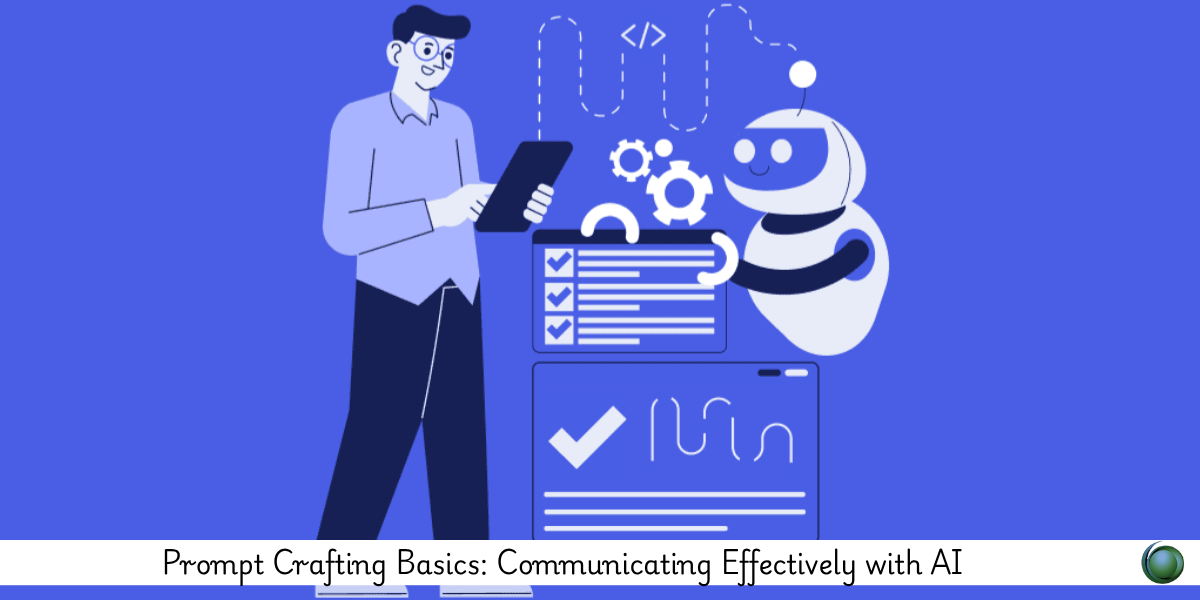
Effective communication with AI starts with how you craft your prompts. Large Language Models (LLMs) like ChatGPT respond based on the inputs they receive, making prompt design a critical skill. This course introduces the fundamentals of prompt crafting—how to structure, clarify, and guide AI responses for optimal relevance and accuracy across various applications.
Prerequisites
-
No coding required
-
Basic understanding of AI and its applications
-
Comfort with written communication
Table of Contents
1. Understanding the Role of Prompts in AI
1.1 What Is a Prompt?
1.2 How Language Models Interpret Prompts
1.3 Impact of Prompt Structure on Output
1.4 Common Pitfalls in AI Communication
2. Elements of a Well-Crafted Prompt
2.1 Clarity and Specificity
2.2 Context and Background Information
2.3 Desired Format and Tone
2.4 Examples and Constraints
3. Types of Prompts and When to Use Them
3.1 Instructional Prompts
3.2 Question-Based Prompts
3.3 Creative and Role-Based Prompts
3.4 Comparison: Zero-shot vs Few-shot Prompting
4. Practical Prompting Techniques
4.1 Start Simple, Iterate Often
4.2 Ask for Lists, Tables, or Steps
4.3 Add Constraints for Controlled Output
4.4 Refining Prompts Based on Results
5. Hands-On Scenarios and Exercises
5.1 Crafting Prompts for Writing Tasks
5.2 Prompts for Brainstorming and Idea Generation
5.3 Prompts for Data Summarization
5.4 Troubleshooting Unclear or Off-Topic Responses
6. Ethical and Responsible Prompting
6.1 Avoiding Ambiguity That Leads to Bias
6.2 Respecting Privacy in Prompt Content
6.3 Verifying AI-Generated Information
6.4 Understanding the Limits of AI Outputs
7. Tools and Resources to Support Prompting
7.1 Using the ChatGPT Interface Effectively
7.2 Prompt Libraries and Templates
7.3 Introduction to Prompt Engineering Platforms
7.4 Continuous Learning and Best Practices
8. Structuring Prompts for Different Output Types
8.1 Narrative vs. Informational Prompts
8.2 Prompts for Summarization vs. Expansion
8.3 Prompting for Comparative Analysis
8.4 Prompts for Checklists and Frameworks
9. Prompting for Multilingual and Global Applications
9.1 Translating and Localizing Content
9.2 Tone and Cultural Sensitivity in Prompts
9.3 Multilingual Prompt Structuring
9.4 Ensuring Consistency Across Languages
10. Enhancing Prompts with Role-Playing and Personas
10.1 Prompting AI to Simulate Roles (e.g., tutor, marketer, doctor)
10.2 Using Role Prompts to Shape Contextual Responses
10.3 Case Studies in Persona-Based Prompting
10.4 Do’s and Don’ts of Role-Based Interactions
11. Prompting for Business and Productivity Tasks
11.1 Drafting Emails and Professional Communication
11.2 Summarizing Meetings or Reports
11.3 Prompting for Scheduling, Planning, and Goal-Setting
11.4 Using Prompts to Automate Repetitive Tasks
12. Prompt Evaluation and Feedback Loop
12.1 How to Assess AI Responses for Quality
12.2 Creating a Feedback Loop to Improve Prompt Design
12.3 Using Rating Scales and Prompt Logs
12.4 Versioning and Tracking Prompt Refinements
13. Building Prompt Libraries and Reusable Templates
13.1 Organizing Prompts by Use Case
13.2 Creating Prompt Playbooks for Teams
13.3 Sharing and Reusing Prompts Efficiently
13.4 Maintaining Prompt Consistency Across Projects
14. Industry-Specific Prompting Use Cases
14.1 Prompts for Education and E-Learning
14.2 Prompts for Marketing and Content Creation
14.3 Prompts for Legal and Compliance Tasks
14.4 Prompts in Healthcare and Research
15. Introduction to Prompt Chaining
15.1 What Is Prompt Chaining?
15.2 Step-by-Step Prompt Execution
15.3 Linking Outputs from One Prompt to Another
15.4 Chaining for Workflow Automation
Mastering prompt crafting is foundational for productive interaction with AI. By learning to communicate with clarity, intent, and creativity, users can unlock more accurate, useful, and context-aware responses from language models. Whether for personal productivity or professional applications, strong prompt design is the key to AI fluency.


Reviews
There are no reviews yet.