


Description
Introduction
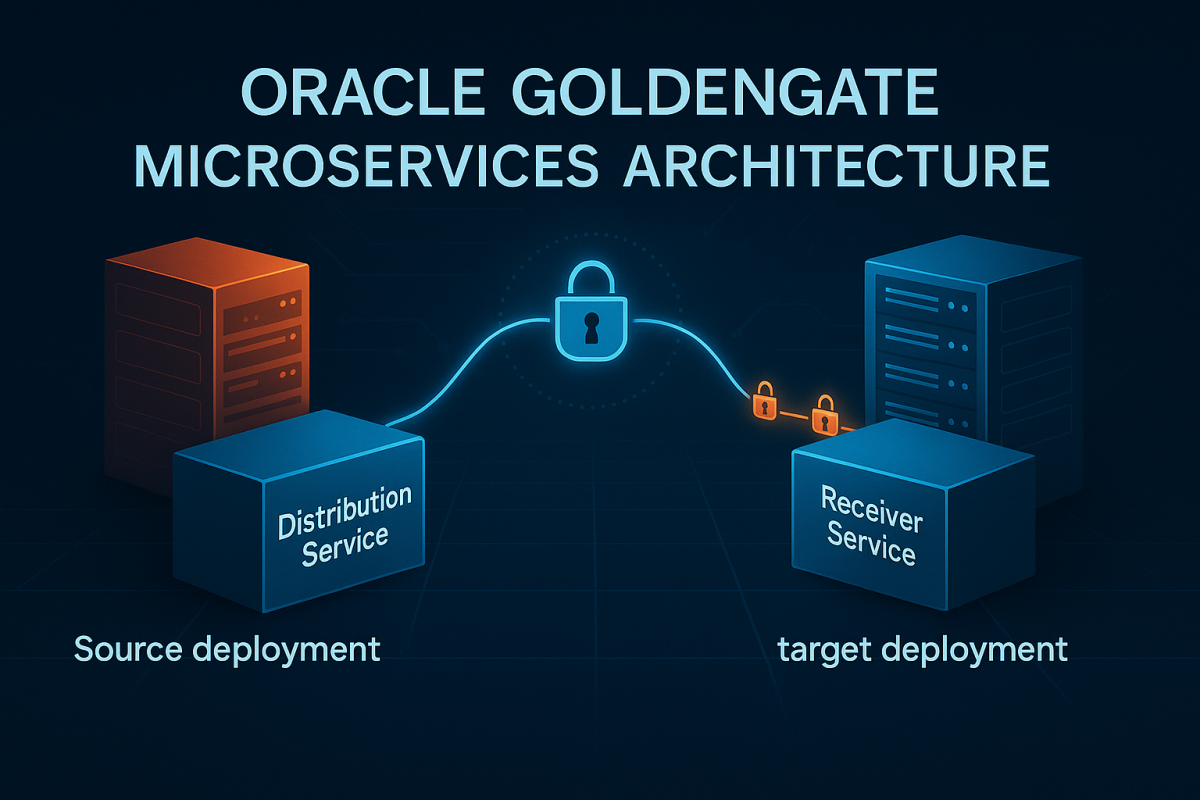
Oracle GoldenGate 23ai is a real-time data integration and replication tool. Moreover, it enables fast and reliable data movement across different systems. In addition, it supports high-performance streaming with very low latency. Furthermore, the 23ai Microservices Architecture modernizes the platform with a cloud-native design. As a result, traditional monolithic components are replaced with modular microservices. Moreover, this improves scalability, security, and overall manageability. Therefore, enterprises can efficiently handle real-time data pipelines across multiple platforms.
Learner Prerequisites
- Basic understanding of relational database concepts such as tables, indexes, and transactions
- Familiarity with Oracle Database architecture (11g/12c/19c preferred)
- Understanding of data replication and ETL/ELT concepts
- Basic Linux/Unix command-line skills
- Awareness of networking concepts such as ports and connectivity
- Prior exposure to Oracle GoldenGate is helpful; however, it is not mandatory
Table of Contents
1. Oracle GoldenGate 23ai Microservices Architecture Overview
1.1 Introduction to GoldenGate Evolution (Classic vs Microservices)
1.2 Core Components of Microservices Architecture
1.3 Key Features and Benefits of 23ai Architecture
1.4 Use Cases in Modern Data Integration
1.5 High-Level Architecture Diagram and Workflow Explanation
2. Installation and Deployment of Oracle GoldenGate 23ai Microservices
2.1 System Requirements and Pre-Installation Checklist
2.2 Installation of Microservices Architecture Components
2.3 Creating Service Manager and Deployments
2.4 Configuring Web-Based Service Interface (Service Manager UI)
2.5 Post Installation Validation and Health Checks
3. Configuration and Setup for Data Replication
3.1 Preparing Source and Target Databases
3.2 Creating Credentials and Security Configuration Profiles
3.3 Extract Process Configuration in Microservices Architecture
3.4 Replicat Process Configuration and Mapping
3.5 Trail Files and Data Capture Mechanism
4. Administration and Management of Microservices Environment
4.1 Service Manager Administration
4.2 Deployment Management and Lifecycle Operations
4.3 Monitoring Extract and Replicat Processes
4.4 Log Management and Troubleshooting Techniques
4.5 Performance Tuning and Optimization Strategies
5. Upgrade and Migration Scenarios
5.1 Upgrading from Oracle GoldenGate 19c Classic to 23ai Microservices
5.2 Migration Strategy and Best Practices
5.3 Handling Compatibility Issues
5.4 Rollback and Recovery Procedures
5.5 Validation After Upgrade
6. Security and High Availability in Microservices Architecture
6.1 Authentication and Authorization Mechanisms
6.2 SSL/TLS Configuration for Secure Communication
6.3 Role-Based Access Control (RBAC)
6.4 High Availability Configuration Setup
6.5 Disaster Recovery Planning and Implementation
7. Monitoring, Diagnostics and Troubleshooting
7.1 Using Microservices Monitoring Dashboard
7.2 Performance Metrics and Alerts Configuration
7.3 Common Issues and Resolution Techniques
7.4 Log Analysis and Debugging Tools
7.5 End-to-End Replication Validation
8. New Features in Oracle GoldenGate 23ai
8.1 Enhanced Microservices Capabilities
8.2 Cloud-Native Integration Improvements
8.3 Improved Performance and Scalability Features
8.4 REST API Enhancements
8.5 Automation and DevOps Integration Support
Conclusion
This training provides a complete understanding of Oracle GoldenGate 23ai Microservices Architecture. Moreover, it covers installation, configuration, administration, security, and troubleshooting. In addition, it focuses on real-time replication concepts and enterprise use cases. As a result, learners gain practical knowledge of modern data streaming systems. Furthermore, they will be able to design and manage scalable replication solutions. Finally, they will be well-prepared for cloud-native and hybrid data environments.
Reviews
There are no reviews yet.