


Description
Introduction
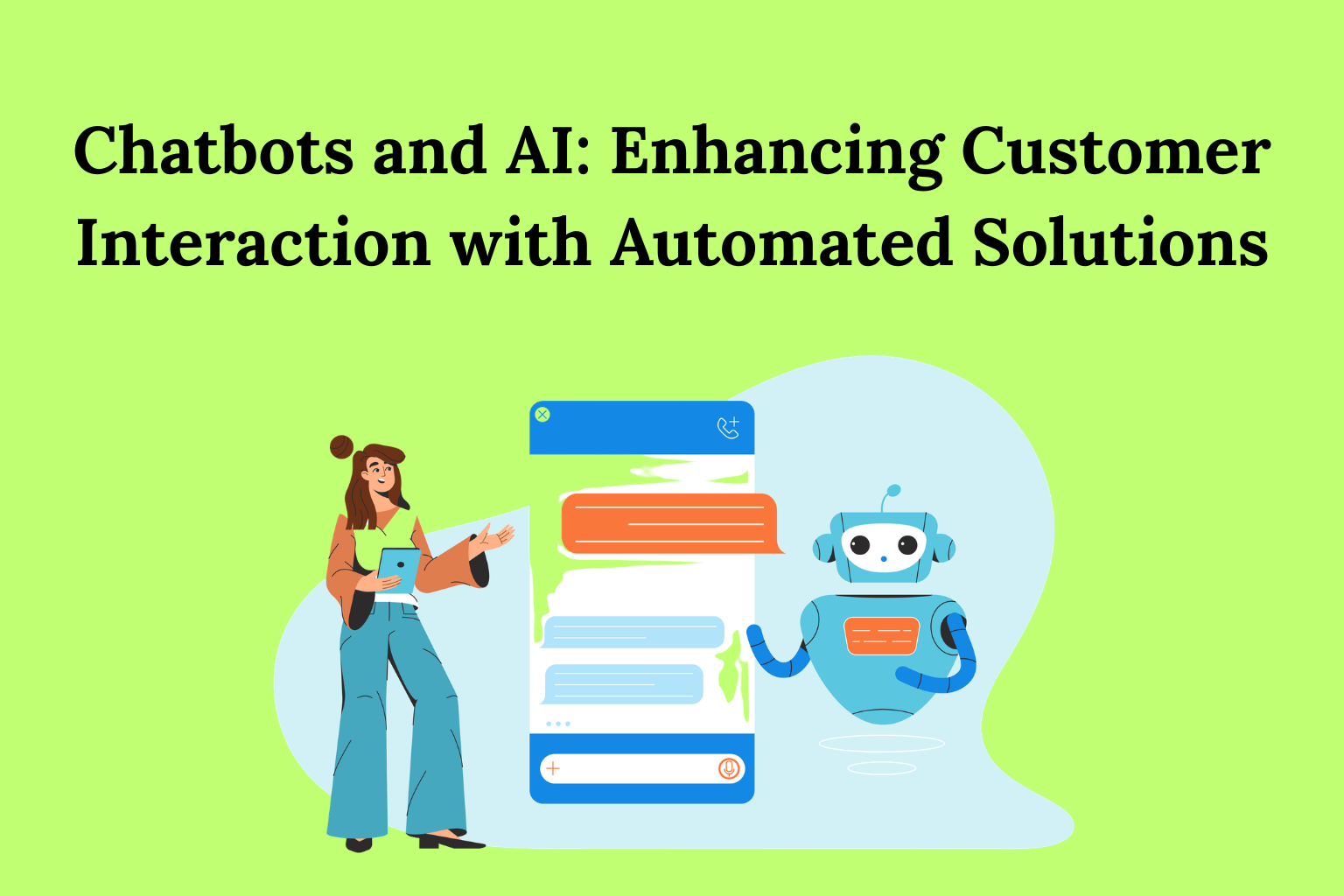
Chatbots and AI-based conversational systems are intelligent solutions designed to automate customer interactions across websites, mobile apps, and messaging platforms. These systems use Natural Language Processing (NLP), Machine Learning (ML), and automation frameworks to understand user queries and provide accurate responses. They help organizations improve customer experience, reduce response time, and enable 24/7 support across digital channels.
Learner Prerequisites
- Basic understanding of customer service processes and workflows
- Familiarity with web applications and digital communication tools
- Awareness of Artificial Intelligence and Machine Learning concepts (basic level)
- Basic programming knowledge (Python or JavaScript is helpful but not mandatory)
- Understanding of APIs and integration concepts
- Interest in automation and conversational systems
Table of Contents
1. Introduction to Chatbots and AI in Customer Interaction
1.1 Overview of conversational AI and chatbots
1.2 Evolution of customer interaction systems
1.3 Role of AI in modern customer engagement
1.4 Types of chatbots (rule-based vs AI-based)
1.5 Benefits of automated customer interaction
1.6 Real-world applications across industries
2. Chatbot Architecture and Core Components
2.1 Understanding chatbot system architecture
2.2 Natural Language Processing (NLP) fundamentals
2.3 Intent recognition and entity extraction
2.4 Dialog management systems
2.5 Backend integration and APIs
2.6 Training data and model design
3. Designing Conversational Flows
3.1 Principles of conversation design
3.2 Building user-friendly dialog flows
3.3 Handling user intents and responses
3.4 Context management in conversations
3.5 Error handling and fallback responses
3.6 Personalization in chatbot interactions
4. Natural Language Processing for Chatbots
4.1 Introduction to NLP in AI systems
4.2 Text preprocessing techniques
4.3 Intent classification models
4.4 Entity recognition and extraction
4.5 Sentiment analysis in customer interactions
4.6 Improving NLP model accuracy
5. Chatbot Development Platforms and Tools
5.1 Overview of chatbot development frameworks
5.2 Google Dialogflow and similar platforms
5.3 Microsoft Bot Framework basics
5.4 Open-source chatbot tools
5.5 Integration with messaging platforms
5.6 Deployment environments and hosting options
6. AI Integration and Machine Learning Models
6.1 Role of machine learning in chatbots
6.2 Training conversational models
6.3 Supervised vs unsupervised learning approaches
6.4 Continuous learning and model improvement
6.5 AI-driven recommendation systems
6.6 Performance evaluation of models
7. API Integration and System Connectivity
7.1 REST API integration for chatbots
7.2 Connecting with CRM and ERP systems
7.3 Database integration for data storage
7.4 Webhook implementation and event handling
7.5 Third-party service integration
7.6 Secure data exchange mechanisms
8. Chatbot Deployment and Scaling
8.1 Deployment strategies for chatbot systems
8.2 Cloud hosting and scalability options
8.3 Performance optimization techniques
8.4 Load balancing for high traffic
8.5 Monitoring chatbot performance
8.6 Maintenance and updates
9. Analytics, Monitoring, and Optimization
9.1 Tracking chatbot performance metrics
9.2 User interaction analytics
9.3 Conversation success rate analysis
9.4 Identifying user drop-off points
9.5 Improving chatbot responses using analytics
9.6 A/B testing for conversational flows
10. Real-World Use Cases and Industry Applications
10.1 E-commerce customer support chatbots
10.2 Banking and financial service assistants
10.3 Healthcare virtual assistants
10.4 IT helpdesk automation systems
10.5 Case study: Enterprise chatbot deployment
10.6 Future trends in conversational AI
Conclusion
Chatbots and AI-powered systems are transforming customer interaction by enabling faster, smarter, and automated communication. Moreover, they improve efficiency, reduce operational costs, and enhance user satisfaction. As a result, organizations can deliver seamless and personalized customer experiences at scale.


Reviews
There are no reviews yet.