


Description
Introduction
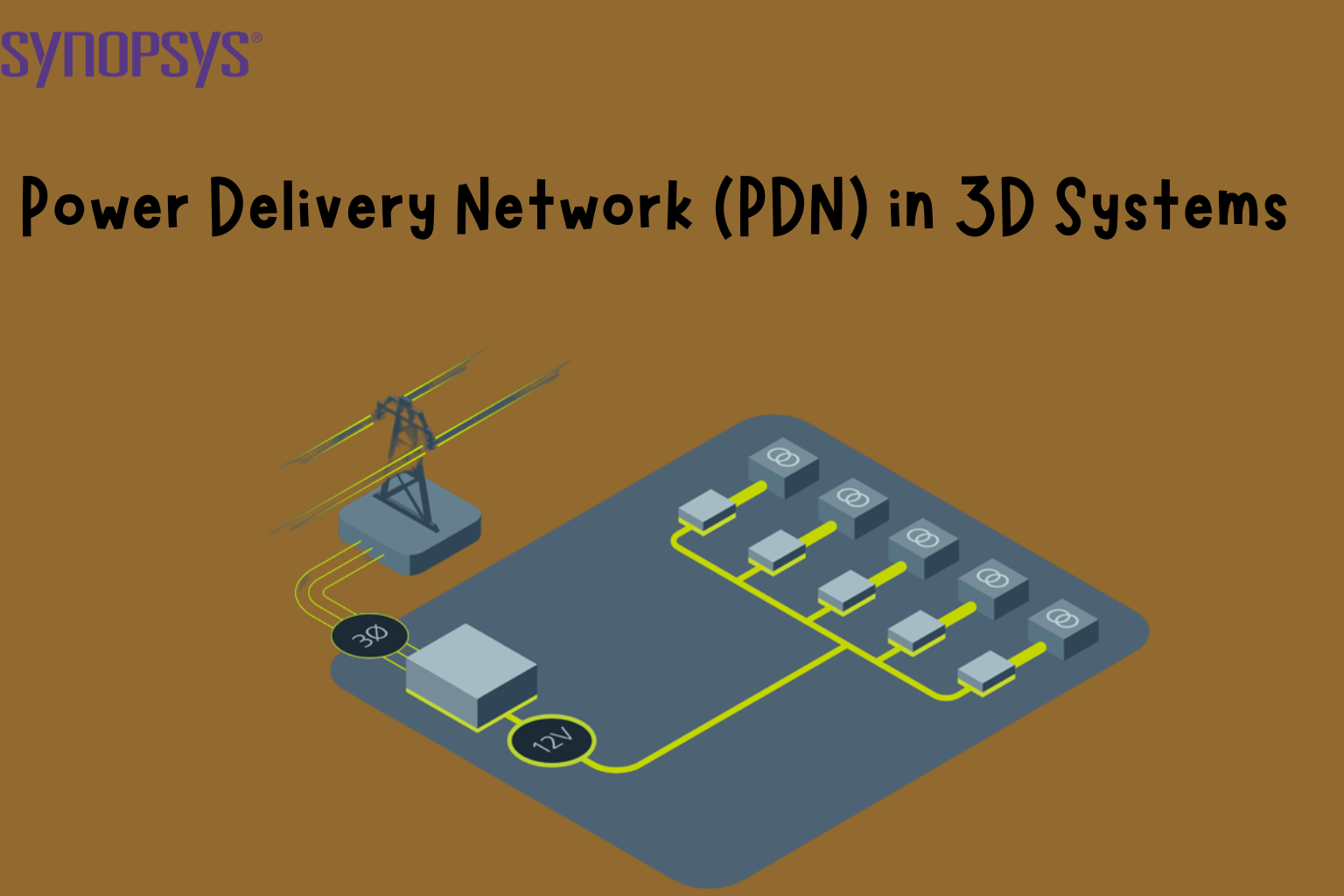
Power Delivery Network (PDN) in 3D Systems focuses on the design and analysis of efficient power distribution networks in advanced 3D integrated circuits and electronic systems. It ensures stable voltage delivery, minimizes noise, and improves overall system performance in high-density packaging. This training introduces PDN fundamentals, modeling techniques, and simulation approaches used in modern 3D semiconductor and electronic design environments.
Learner Prerequisites
- Basic understanding of electronics and circuit theory
- Familiarity with semiconductor devices and IC design concepts
- Knowledge of signal integrity and power integrity basics
- Basic understanding of electrical engineering principles
- Awareness of 3D IC packaging and system design concepts
- Interest in hardware design and electronic systems
Table of Contents
1. Introduction to Power Delivery Networks in 3D Systems
1.1 Overview of PDN concepts
1.2 Importance of power integrity in 3D systems
1.3 Evolution of 3D integrated circuits
1.4 Challenges in power delivery design
1.5 Real-world applications of PDN systems
2. Fundamentals of Power Integrity
2.1 Voltage regulation in electronic systems
2.2 Noise and ripple effects in PDN
2.3 Impedance in power networks
2.4 Current distribution challenges
2.5 Thermal considerations in PDN design
3. 3D System Architecture Overview
3.1 Introduction to 3D IC structures
3.2 Stacking technologies in 3D systems
3.3 Through-silicon vias (TSVs) fundamentals
3.4 Power routing in 3D architectures
3.5 System-level integration challenges
4. PDN Design Methodology
4.1 Designing efficient power grids
4.2 Decoupling capacitor placement strategies
4.3 Power mesh optimization techniques
4.4 Ground network design principles
4.5 Multi-layer PDN design considerations
5. Modeling and Simulation of PDN
5.1 Introduction to PDN modeling techniques
5.2 Equivalent circuit modeling
5.3 Simulation tools for PDN analysis
5.4 Frequency domain analysis
5.5 Time-domain simulation approaches
6. Noise and Signal Integrity in 3D PDN
6.1 Sources of power noise
6.2 Crosstalk effects in 3D systems
6.3 Mitigation techniques for noise reduction
6.4 Impact of switching activities
6.5 Signal integrity considerations
7. Thermal Effects in PDN Design
7.1 Heat generation in 3D systems
7.2 Thermal-aware power design
7.3 Cooling techniques for IC stacks
7.4 Impact of temperature on PDN performance
7.5 Thermal simulation methods
8. Optimization Techniques for PDN
8.1 Reducing impedance in power networks
8.2 Improving voltage stability
8.3 Layout optimization strategies
8.4 Material selection for PDN efficiency
8.5 Trade-offs in PDN design
9. Advanced PDN Design in 3D ICs
9.1 Heterogeneous integration challenges
9.2 Advanced TSV-based power delivery
9.3 High-frequency PDN design considerations
9.4 AI-assisted PDN optimization
9.5 Emerging trends in PDN engineering
10. Testing and Validation of PDN Systems
10.1 Measurement techniques for PDN performance
10.2 Power integrity testing methods
10.3 Simulation vs real-world validation
10.4 Debugging PDN issues
10.5 Reliability testing in 3D systems
11. Real-World Applications of PDN in 3D Systems
11.1 High-performance computing systems
11.2 Mobile and consumer electronics
11.3 AI and GPU architectures
11.4 Automotive electronics systems
11.5 Data center hardware design
Conclusion
This training provides a comprehensive understanding of Power Delivery Networks in 3D systems. It explains how power integrity, thermal effects, and system architecture influence performance. Moreover, learners gain practical knowledge of modeling and optimization techniques. As a result, they are prepared to design efficient and reliable power delivery systems in advanced electronic architectures.



Reviews
There are no reviews yet.