


Description
Introduction
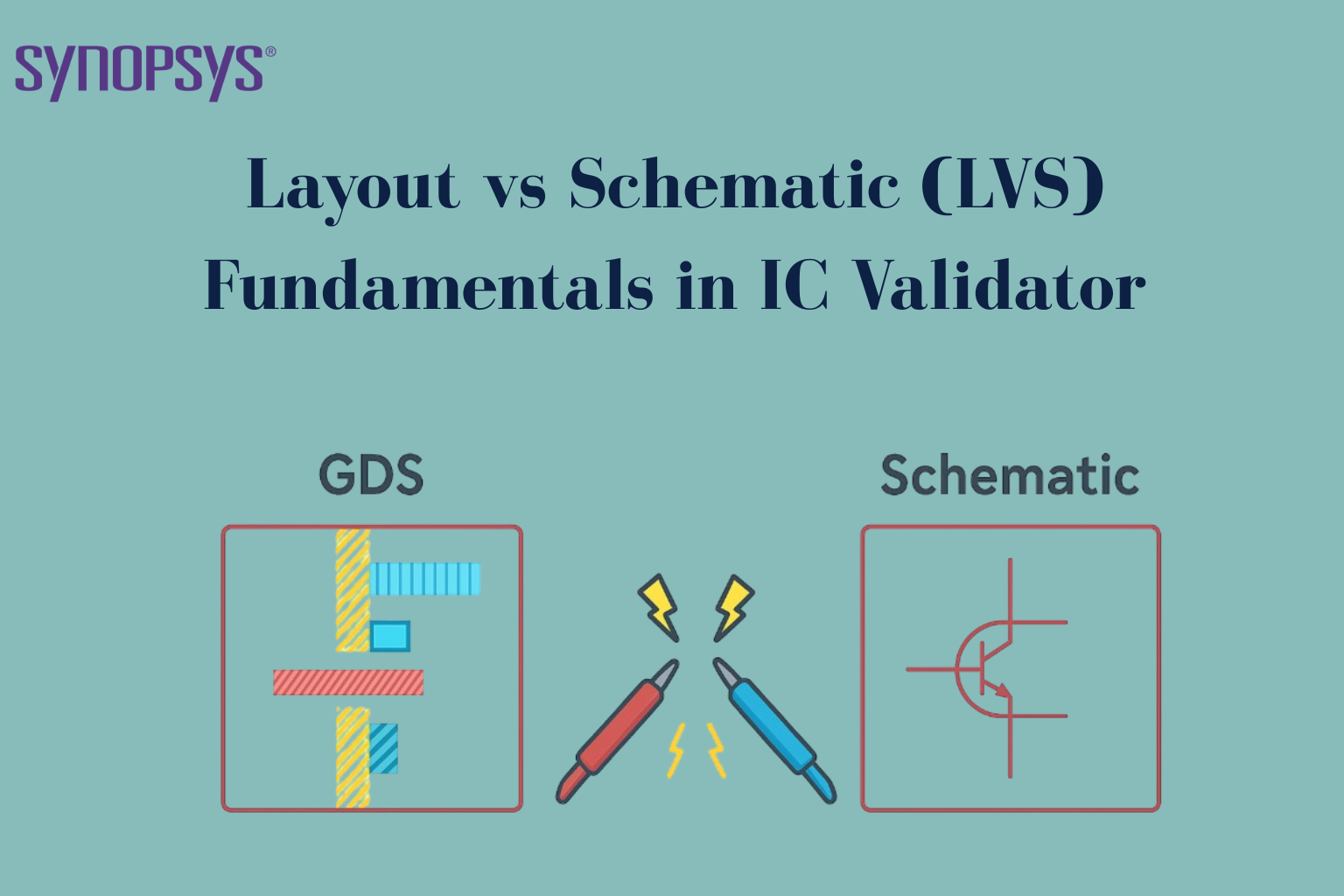
IC Validator is a physical verification tool from Synopsys. It is used for signoff-quality checks such as DRC and LVS. In addition, it ensures that the physical layout accurately matches the schematic or netlist before tapeout. Moreover, it supports hierarchical and large-scale designs. Therefore, it provides high-performance verification capabilities for modern IC design flows.
Learner Prerequisites
- Basic knowledge of VLSI design flow, CMOS fundamentals, standard cells, and netlist concepts
- Familiarity with LVS concepts, SPICE/netlist formats, and physical design basics
- Understanding of layout versus schematic comparison fundamentals
- Basic knowledge of Linux/Unix command-line usage
- Awareness of scripting basics for running verification and automation flows
- Exposure to IC physical verification concepts and signoff workflows
Table of Contents
1. Introduction to LVS Fundamentals
1.1 Definition and objective of Layout vs Schematic verification
1.2 Importance of LVS in IC signoff and tapeout flow
1.3 Key differences between schematic and layout representations
1.4 Common LVS mismatch types and causes
1.5 Role of IC Validator in LVS verification flow
2. Design Data Preparation for LVS
2.1 Layout database formats and extraction flow overview
2.2 Schematic/netlist generation and import methods
2.3 Library mapping and device recognition setup
2.4 Handling hierarchy in complex design structures
2.5 Pre-checks for clean LVS execution
3. Netlist vs Layout Representation Analysis
3.1 Structure of schematic netlists and connectivity definition
3.2 Layout extraction and device identification process
3.3 Comparison of pins, ports, and interconnects
3.4 Hierarchical vs flat representation handling
3.5 Handling mismatches in connectivity mapping
4. LVS Rule Decks and Configuration Setup
4.1 LVS rule deck structure and components
4.2 Device matching rules and equivalence definitions
4.3 Technology file integration and dependencies
4.4 Environment setup and run configuration in IC Validator
4.5 Custom rule handling and parameter setup
5. Running LVS in IC Validator Flow
5.1 Job setup and project directory structure
5.2 Input file configuration and run options
5.3 Hierarchical vs flat LVS execution modes
5.4 Batch execution and automation strategies
5.5 Performance tuning for large designs
6. LVS Debugging and Error Analysis
6.1 Classification of LVS errors (open, short, mismatch)
6.2 Trace analysis and connectivity debugging methods
6.3 Device mismatch and parameter variation issues
6.4 Report interpretation and debugging flow
6.5 Fixing common LVS violations efficiently
7. Advanced LVS Matching Techniques
7.1 Cell equivalence and substitution handling
7.2 Blackbox and abstract model usage in LVS
7.3 Parameter tolerance and scaling adjustments
7.4 Advanced hierarchical matching strategies
7.5 Custom rule-based matching enhancements
8. LVS Signoff and Quality Assurance
8.1 Final signoff checklist and verification closure
8.2 LVS report generation and analysis
8.3 Integration with full physical verification flow
8.4 Design quality checks before tapeout
8.5 Best practices for clean LVS closure
Conclusion
This training builds a complete understanding of LVS fundamentals, setup, execution, and debugging using IC Validator. In addition, it enables accurate layout-to-schematic verification. Therefore, it ensures robust signoff readiness for complex IC designs. Ultimately, it improves overall design quality and tapeout success



Reviews
There are no reviews yet.