


Description
Introduction
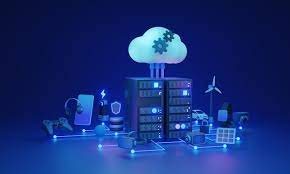
Edge Computing and IoT applications training focuses on modern distributed computing systems. It explains how data is processed closer to devices instead of centralized cloud servers. As a result, systems become faster and more efficient. This training also introduces commonly used IoT platforms and edge frameworks. In addition, learners explore tools used for simulation and real-world deployment.
Learner Prerequisites
To begin this training, learners should understand basic computer networks. They should also know fundamental cloud computing concepts. Moreover, familiarity with programming languages like Python or C is helpful. Basic knowledge of sensors and embedded systems will further support learning. Finally, an awareness of IoT device interactions is recommended.
Table of Contents
1. Introduction to Edge Computing and IoT Fundamentals
1.1 Overview of Edge Computing Architecture
1.2 Evolution of IoT and Connected Systems
1.3 Differences Between Cloud, Fog, and Edge Computing
1.4 Key Components of IoT Ecosystem
1.5 Real-World Applications of Edge IoT Systems
2. IoT Devices and Sensor Technologies
2.1 Types of IoT Sensors and Actuators
2.2 Communication Protocols for IoT Devices
2.3 Role of Embedded Systems in IoT
2.4 Power Efficiency in IoT Devices
2.5 Data Collection and Signal Processing Methods
3. Edge Computing Architecture and Frameworks
3.1 Structure of Edge Nodes and Gateways
3.2 Distributed Computing Models Explained
3.3 Edge Data Processing Techniques
3.4 Use of Containers in Edge Systems
3.5 Deployment Approaches in Edge Environments
4. Connectivity and Network Protocols in IoT
4.1 Overview of MQTT, CoAP, and HTTP
4.2 Role of 5G in Low-Latency Communication
4.3 Introduction to LPWAN Technologies
4.4 IoT Network Security Basics
4.5 Methods for Optimizing Data Transfer
5. Data Processing and Analytics at the Edge
5.1 Real-Time Data Processing Concepts
5.2 Stream Analytics in IoT Systems
5.3 Machine Learning Applications at the Edge
5.4 Data Cleaning and Preprocessing Methods
5.5 Event-Driven Processing Models
6. Security and Privacy in Edge IoT Systems
6.1 Common IoT Security Challenges
6.2 Encryption and Authentication Techniques
6.3 Device Identity and Access Management
6.4 Data Privacy and Compliance Standards
6.5 Risk Reduction Strategies
7. Industry Applications of Edge Computing and IoT
7.1 Smart Cities and Urban Infrastructure
7.2 Industrial IoT and Automation Systems
7.3 Healthcare Monitoring Applications
7.4 Smart Transportation and Logistics Systems
7.5 Agricultural and Environmental Monitoring
8. Emerging Trends in Edge IoT
8.1 AI Integration with Edge Computing
8.2 Digital Twins in IoT Systems
8.3 Autonomous Systems and Robotics
8.4 Next-Generation 6G Networks
8.5 Future Opportunities and Challenges
Conclusion
This training provides a structured introduction to Edge Computing and IoT systems. It explains both foundational concepts and advanced applications. Therefore, learners gain practical and theoretical knowledge. In addition, it prepares them for real-world IoT and edge computing solutions in modern industries.


Reviews
There are no reviews yet.