


Description
Introduction:
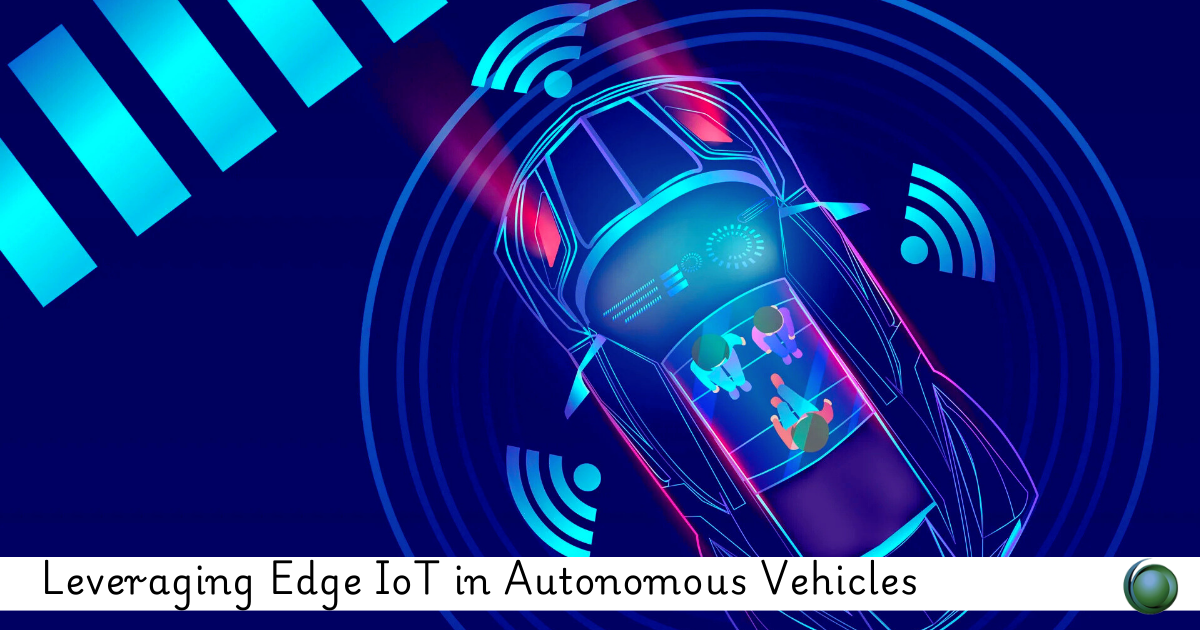
Edge IoT in autonomous vehicles combines edge computing, IoT sensors, and onboard intelligence. It enables real-time decision-making in self-driving systems. Instead of relying only on the cloud, data is processed locally inside the vehicle. As a result, response time improves significantly. This improves safety, efficiency, and reliability.
This ecosystem uses embedded systems, AI models, sensor fusion, and V2X communication. In addition, it supports real-time analytics for driving decisions.
Learner Prerequisites:
Learners should understand basic IoT concepts. They should also know cloud computing fundamentals and networking basics. Moreover, familiarity with AI and machine learning is recommended.
Knowledge of Python or C++ will be helpful. In addition, a basic understanding of automotive systems is useful. This will help learners understand system architecture more effectively.
Table of Contents
1. Introduction to Edge IoT in Autonomous Vehicles
1.1 Evolution of Autonomous Driving Technologies and Key Milestones
1.2 Role of Edge Computing in Reducing Latency
1.3 IoT Ecosystem in Modern Automotive Systems
2. Core Architecture of Edge IoT Systems
2.1 Embedded Systems and Edge Nodes in Vehicles
2.2 Sensor Fusion for Accurate Data Interpretation
2.3 Edge and Cloud Communication Models
2.4 Real-Time Processing Frameworks and Workflows
3. IoT Sensors and Data Collection Mechanisms
3.1 Types of Automotive Sensors and Their Functions
3.2 Data Acquisition and Preprocessing at the Edge
3.3 Noise Reduction and Signal Filtering Techniques
3.4 Multi-Sensor Synchronization for Accuracy
4. Edge Computing for Real-Time Decision Making
4.1 Importance of Low-Latency Processing
4.2 On-Device AI Inference and Execution
4.3 Event Detection and Response Systems
4.4 Fail-Safe Mechanisms for Safety Assurance
5. Artificial Intelligence in Autonomous Vehicles
5.1 Machine Learning for Object Detection
5.2 Deep Learning for Path Planning
5.3 Reinforcement Learning in Driving Scenarios
5.4 Optimization of AI Models for Edge Devices
6. Vehicle-to-Everything (V2X) Communication
6.1 Vehicle-to-Vehicle Communication Systems
6.2 Vehicle-to-Infrastructure Connectivity
6.3 Communication Protocols in Smart Transport
6.4 Security Challenges in V2X Networks
7. Edge IoT Platforms and Tools
7.1 Embedded Operating Systems in Vehicles
7.2 Edge AI Frameworks and Development Kits
7.3 IoT Middleware for Data Integration
7.4 Data Streaming and Management Platforms
8. Cybersecurity in Edge IoT Systems
8.1 Common Threats in Connected Vehicles
8.2 Secure Communication Protocols
8.3 Encryption and Authentication Methods
8.4 Intrusion Detection and Prevention Systems
9. Simulation and Testing of Autonomous Systems
9.1 Virtual Testing Environments for Validation
9.2 Digital Twin Technology in Automotive Design
9.3 Scenario-Based Simulation Methods
9.4 Performance Testing and Evaluation Metrics
10. Deployment and Scalability Challenges
10.1 Hardware Limitations in Edge Devices
10.2 Scalability of IoT Systems in Vehicles
10.3 Energy Efficiency and Optimization Strategies
10.4 Maintenance and Over-the-Air Updates
11. Industry Applications and Use Cases
11.1 Autonomous Passenger Transportation
11.2 Smart Logistics and Fleet Management
11.3 Public Transport Systems
11.4 Military and Industrial Applications
12. Future Trends in Edge IoT for Autonomous Vehicles
12.1 Impact of 5G and Next-Gen Connectivity
12.2 AI-Driven Autonomous Ecosystems
12.3 Decentralized Vehicle Networks
12.4 Evolution of Smart Mobility Systems
Conclusion
Edge IoT is transforming autonomous vehicles. It enables faster processing and better decision-making. In addition, it improves safety and system reliability.
As technology advances, integration of AI, IoT, and edge computing will become more powerful. Therefore, future autonomous vehicles will be more intelligent, connected, and efficient.



Reviews
There are no reviews yet.